The current post is based on a talk I gave at the university of Leiden which unfortunately I completely butchered due, in part, to the sudden realization that I had not chance to get through this material in the given time. Nothing here is new or proved, though some sketches are added when I find it relevant.
The (unattained) goal of the presentation was to show how much of the geometry of a symmetric space of noncompact type can be determined from it boundary sphere alone (in rank 1 cases) and a simplicial complex called the boundary at infinity (in higher rank cases) by following the evolution of the Mostow rigidity theorem from its origins (closed quotients of real hyperbolic spaces) to higher ranks.
The next installment of these notes will be to look at cohomological rigidity of these spaces. A lot can actually be said about the group cohomology of the fundamenta group of a locally symmetric space of noncompact type by looking at its action on the boundary sphere of the space. There are also interesting KK-cycles associated with the buildings at infinity.
Basic definitions
A map  is said to be a geodesic symmetry if it fixes
  and reverses all geodesics centered at
  . A complete Riemannian space is called (locally) symmetric if the geodesic symmetries are (local) isometries.
Any simply connected locally symmetric space is a symmetric space, hence any locally symmetric space  is a quotient of a symmetric space (its universal cover) by the action of its fundamental group.
The rank of the symmetric space is the largest dimension of its flat totally geodesic submanifolds.
For any symmetric space the group  acts transitively (proof – take any two points
  and the unique geodesic connecting them
  ,
,  , then the geodesic symmetry
  sends
sends  to
to  ).
).
It follows that all symmetric spaces are homogeneous spaces – if  , the group
  is compact subgroup in
  , and
, and
![\[G/K \simeq X.\]](https://www.mathblog.realhjelp.no/wp-content/ql-cache/quicklatex.com-4878a313553c610deaf9c266d288c3fc_l3.png "Rendered by QuickLaTeX.com")
Types of symmetric spaces
- Euclidean type (zero curvature)
- Compact type (non-negative curvature)
- Noncompact type (non-positve curvature)
In the above definitions, to make the types distinct, one assumes that the compact and noncompact type do not have any euclidean factors in their de Rham decomposition. For instance,  is a symmetric space of noncompact type,
  is not, since it contains a euclidean factor
  (though the curvature is still non-positive).
As the above example suggests, symmetric spaces are not all of the above types, but their de Rham factors will be of these types. Recall that the de Rham factors are the submanifolds corresponding to integral subbundles of the tangent bundle that are also irreducible modules under the action of the monodromy group.
Note also that the curvature need of course not be constant since the isometry group need not act transitively on the Grassmannian of 2-planes  space (a weaker condition than 2-transitivity), but things like scalar curvature will of course be constant for any symmetric space. Spaces where the isometry group acts transitively on the tangent space at each point are called isotropic manifolds,
  are examples of such spaces. Noncompact type symmetric spaces are isotropic if and only if their rank is 1.
The geodesic compactification
Given a non-positvely curved symmetric Riemannian space (or hyperbolic length space) the geodesic compactification of is defined as follows:
Two geodesics  are said to be asymptotically equivalent if
![\[\sup_{t\geq 0} d(\gamma(t), \gamma'(t)) < \infty.\]](https://www.mathblog.realhjelp.no/wp-content/ql-cache/quicklatex.com-e6f9840585929db50e8a508d246d3c00_l3.png "Rendered by QuickLaTeX.com")
Denote by
![[\gamma]](https://www.mathblog.realhjelp.no/wp-content/ql-cache/quicklatex.com-a979b4e4759a96022dbef5ec92d511e1_l3.png "Rendered by QuickLaTeX.com")
this equivalence class and set
![\[\partial X = \{ [\gamma]~|~ \gamma \text{ unit speed geodesic } \}.\]](https://www.mathblog.realhjelp.no/wp-content/ql-cache/quicklatex.com-b2c92336895c8176ad6d7c88a79a5b3e_l3.png "Rendered by QuickLaTeX.com")
Fixing

we have the following lemma
Lemma 1 – Each
has a unique representative centered at

, and

as the unit tangent sphere at some (any) fixed point in
.
The space  endowed with a certain topology called the conic topology is a compact space called the geodesic, or visual, or Gromov compactification of . The conic topology is the topology induced by the open sets in and for each
 ![[\gamma]\in \partial X](https://www.mathblog.realhjelp.no/wp-content/ql-cache/quicklatex.com-8b51146a7acc8542334e2aa5bc2289a7_l3.png "Rendered by QuickLaTeX.com") with
with  , the set of truncated open cones of geodesic rays from containing
  is a neighborhood basis at (see for instance ). Exercise – Convince yourself that the points
  converge to in this topology.
The action of extends to an action by homeomorphisms on this compactified space by
![\[g[\gamma] = [g\circ \gamma]\]](https://www.mathblog.realhjelp.no/wp-content/ql-cache/quicklatex.com-f026e5c1fae2ba8625f780e458aff746_l3.png "Rendered by QuickLaTeX.com")
Under the identification in Lemma 1 above, the action of  is just the induced action of
  on the tangent space
  , given by
![\[k\cdot v= (dk)v\]](https://www.mathblog.realhjelp.no/wp-content/ql-cache/quicklatex.com-56942028e26fcce57376982a037f49f1_l3.png "Rendered by QuickLaTeX.com")
where

is the differential of

at
. The action of
is usually defined as the adjoint action by setting

(the identity in
) and letting
act by the restriction of the adjoint representation.
The rank 1 case
Here is an exhaustive list of all symmetric spaces of noncompact type of rank 1 –
 (
( )
) (
( )
) () (quaternionic)
- (Cayley plane) ()
As can be seen, they consist of real, complex and quaternionic hyperbolic spaces, together with an “exceptional” space called the Cayley plane (or the octonionic hyperbolic plane). The iniquitous looking space  actually sticks out like a sore thumb with pathological behaviour that is not exhibited by other spaces (for an example see this post) with loads of non-arithmetic lattices and lack of rigidity. See the very well written article for explicit realizations of these spaces as quotients of Lie groups.
Here are some properties of the compactification  when is any of the above spaces:
These are some of the general features of rank 1 symmetric spaces. Let’s look at applications of these boundary measures:
Example 1: Equivariant splitings
The compactification above gives us a natural short exact sequence of C*-algebras
![\[0\to C_0(X) \to C(\overline{X}) \to C(\partial X) \to 0\]](https://www.mathblog.realhjelp.no/wp-content/ql-cache/quicklatex.com-90986d3503c870b9e0ddb31fc7a395f1_l3.png "Rendered by QuickLaTeX.com")
given by the assignment
![\[C(\partial X)\ni f \mapsto F_f \in C(\overline{X})\qquad F_f(x) = \begin{cases} f(x) & x\in \partial X \\ \int_{\partial X} f(v) d\mu_x(v)\end{cases}.\]](https://www.mathblog.realhjelp.no/wp-content/ql-cache/quicklatex.com-171d7a2cc8ee7c93d028b6db636ae18e_l3.png "Rendered by QuickLaTeX.com")
The properties listed above ensures that the map is equivariant and well defined. The above also works for real valued function algebras of course. This technique is used in
to produce concrete realizations of KK-cycles corresponding to the extension.
Example 2: Classical harmonic analysis
For the disk the splitting in the previous example determines a bijection between  and the bounded harmonic measures on . This is the famous Poisson integral formula of bounded harmonic functions on the disk.
Example 3: Barycenter extension method
Yet another important application of the harmonic densities is the following technique used in the proofs of various classical results (like the Mostow rigidity theorems and the Entropy Rigidity Conjecture for rank 1 symmetric spaces). See for instance \cite. Succinctly it allows one to create a map between two symmetric spaces from a continuous map of their boundaries.
For any measure  in the Lebesgue class on the boundary
  we can assign to it a point in called the barycenter of defined to be the minimum of the function –
![\[bar(\lambda) = min_{x\in X}\left\{ x\to \int_{\partial X} b_s(x) d\lambda(s)\right\}.\]](https://www.mathblog.realhjelp.no/wp-content/ql-cache/quicklatex.com-0eebb731b5cae1507be8674b1581204f_l3.png "Rendered by QuickLaTeX.com")
This minimum exists since the function

is strictly convex on
. Given any continuous map
![\[f: \partial X\to \partial Y\]](https://www.mathblog.realhjelp.no/wp-content/ql-cache/quicklatex.com-60865f7f2b024e01fd4b4f2150e0bcc4_l3.png "Rendered by QuickLaTeX.com")
we can produce a map by the following assignment
![\[F: X\to Y \qquad F(x) = bar(f_*\mu_x)\]](https://www.mathblog.realhjelp.no/wp-content/ql-cache/quicklatex.com-ce1b8cc559acba0c31dadfc78c0e59b1_l3.png "Rendered by QuickLaTeX.com")
which in many cases turns out to be an isometry. Using this method one can create smooth representative maps

in every homotopy class (where
,

are negatively curved closed locally symmetric spaces).
Let’s take a quick look at Mostow’s rigidity theorem: The (original) Mostow rigidity theorem states that every closed locally symmetric space of constant curvature  and dimension
  is uniquely determined up to isometry by its fundamental group. The theorem has been extended to higher ranks and closedness has been replaced by finite volume.
A sketch of the proof goes as follows: Let , be as above. Since and are aspherical manifolds (or  -spaces, where
  ) there exists a homotopy equivalence
  . This lifts to a
  -equivariant continuous map
  , which can be chosen to be a quasi-isometry (we need compactness for this).
Quasi-isometries preserve the equivalence relations  on the space of geodesics defined earlier, hence induce a -equivariant homeomorphism
  .
.
Let  . This map is -equivariant and so descends to an isometry of the quotient space
![\[F: X\to Y\]](https://www.mathblog.realhjelp.no/wp-content/ql-cache/quicklatex.com-f92796ada36dc410f9f4029e38c161ee_l3.png "Rendered by QuickLaTeX.com")
we need

for this. There are many known counter examples of this theorem in dimension

.
The higher rank case
A positive Weyl chamber  on the boundary associated with a minimal parabolic subgroup
  is defined to be
![\[W_P = \{ x\in \partial X ~|~ Stab(x) = P\}.\]](https://www.mathblog.realhjelp.no/wp-content/ql-cache/quicklatex.com-df334bf13d79a25522ada508f0c7f4ec_l3.png "Rendered by QuickLaTeX.com")
If
is of rank 1, this would be a single point, but for higher rank case this is never the case. The image of a maximal flat subspace

projected onto the boundary
is tesselated by the closure of a finite family of positive Weyl chambers. Similarly, the whole boundary is tesselated by the the collection of (closed) positive Weyl chambers.
Here are several strange features/pathologies of symmetric spaces of higher rank:
- Parabolic subgroups: There is no longer a 1-1 correspondence between parabolic subgroups of and points on . The correspondence
 does only map surjectively onto the collection of parabolic subgroups.
- No transitive boundary action: The -orbits on the boundary are parametrized by any fixed (closed) positive Weyl chamber, i.e.
 for any minimal parabolic subgroup
  .
.
- Lack of a smooth structure: There is no natural smooth structure on compatible with that of making act by smooth maps (see ). It can be thought of as a smooth manifold with a finte set of signularities (one for each conjugacy class of maximal parabolic subgroups) (see ).
- No harmonic densities: The methods that created the harmonic densities, now only produce a family of measures
 supported on a single -orbit on (see ).
In the rank 1 case, the geodesic boundary in a sense played the role as an isomorphism invariant, as we saw in the proof of the original Mostow rigidity theorem. The new construction needed as our isomorphism invariant is the building at infinity or Tits building. Let’s look at what it is –
The collection of all closed positive Weyl chambers have a natural structure as an abstract simplicial complex called a thick spherical Tits building (or simply a building) often refered to as the building at infinity. A building is simplicial complex where the maximal simplices are all of the same dimension (these will be called chambers together with a family of subcomplexes called apartments endowed with a group action of a reflection group (such complexes are called Coxeter complexes). The word spherical indicates that the reflection group of each apartment is finite, while the word thick means that each simplex of codimension 1 is contained in at least 3 chambers.
Building at infinity –
A simplicial complex  is called a (thick) spherical Tits building if it contains a family of subsets called apartments that satisfy the following conditions:
- Any two simplices are contained in some apartment
- Any two chambers (maximal simplices) are of the same dimension.
- Any two chambers in the same apartment are connected by a finite sequence of adjacent chambers (i.e. chambers sharing a face).
- There is a finite group of “reflections” acting on each apartment, such that the action is simply transitive on each chamber (called a finite Coxeter complex).
- For any two simplices
 contained in the intersection
  of two apartments, there is a simplicial isomorphism
  fixing
  and
and  .
.
- (Thick) – Any wall of a chamber is contained in at least
 chambers
The collection of all positive (closed) Weyl chambers form a thick spherical Tits building, with apartments given by the images of maximal flats onto the boundary sphere, chambers given by the positive Weyl chambers, reflection groups given by the “Weyl groups” of the flat  which are defined to be
  (normalizer over centralizer of ).\footnote{As an abstract group
  is independent of choice of and is given as the group of reflections along hyperplanes given by the kernels of the restricted roots in
  (the Lie algebra of )}
The reason we care about buildings is the following reformulation of a deep theorem of Tits
Theorem 1 – For any symmetric spaces of non-compact type or rank

, the space is uniquely determined up to isometry by the isomorphism type of its spherical Tits building at infinity.
To emphasise the point, this simplicial complex we call a building at infinity is entirely created from the boundary data of (well, also how the maximal flats imbed into , as this determines the apartments) and the induced group action. With this more rudimentary structure one is still able to pinpoint the underlying space up to isometric isomorphism.
If follows from the fact that the Weyl chambers form a Tits building that we have –
\begin{proposition}
Proposition 1 – Any two adjacent positive Weyl chambers are contained in the image of one maximal flat totally geodesic submanifold.
From this one readily sees what is the issue with trying to define a smooth (or even  for
for  ) structure on in higher rank. Let’s look at a concrete example, say
  . This is a symmetric space of non-positive curvature, hence a geodesic compactification can be defined. Its geodesic boundary can be depicted as a sphere
  . The (closure of the) positive Weyl chambers are all the lines from the north to the south pole tracing out one half of some great circle. The closure of of any of these chambers intersect any of the other, since they all contain the north and the south pole, hence the properties of the building ensures us that we may take three positive Weyl chambers
  (half circles in ) two maximal flats
  and
and  in (determining our apartments, which are now loops in ) such that their image on (the apartments) satisfy
![\[W_1, W_2\subset A_1 \qquad W_1, W_3 \subset A_2\]](https://www.mathblog.realhjelp.no/wp-content/ql-cache/quicklatex.com-9021d88d9dd97fd771872bfa31242c85_l3.png "Rendered by QuickLaTeX.com")
It should be clear that if
is embedded smoothly, then
has a cusp at the north and south pole (and vice versa). This line of reasoning is what is used in k
where a precise proof can be found.
As for the lack of a transitive boundary action, the intuitive picture is the following, if  is a geodesic contained in precisely
  maximal flats
  , that is
  , then
  is contained in precisely maximal flats
  as well. So the number of maximal flats containing remains invariant under the action of . It can also be invariant under asymptotic equivalence. Hence itwould be impossible to go from one point on the boundary represented by a geodesic contained only in
  maximal flat (these are called the regular boundary points) to a point
 ![[\gamma']](https://www.mathblog.realhjelp.no/wp-content/ql-cache/quicklatex.com-35a1f86cffe491163cd19c3802293b48_l3.png "Rendered by QuickLaTeX.com") with
with  contained in more than maximal flat with an isometry.
Let’s end with an application of the the building at infinity
Mostow’s rigidity theorem
The building at infinity allows one to extend Mostows rigidity theorem to the case of closed symmetric spaces of noncompact type of rank , so these are again uniquely determined by their fundamental groups.
The proof runs parallel to the one stated earlier. Just as in the previous case we have a  -equivariant quasi-isometry
![\[f: \tilde{X}\to \tilde{Y}\]](https://www.mathblog.realhjelp.no/wp-content/ql-cache/quicklatex.com-0abcd7994f976f7dfee9dba79bf6905d_l3.png "Rendered by QuickLaTeX.com")
of the respective universal covers of the two closed locally symmetric spaces
and
. This is shown in
to induce an isomorphism of the building at infinity, which descends to a
-equivariant isometry of the quotients by
(i.e. the locally symmetric spaces
and
). See the cited reference for the proof.
References
{6233257:NT438QC5};{6233257:UP7INTY2};{6233257:NT438QC5};{6233257:R68U3R63};{6233257:PJB5NPS7};{6233257:PEKWQHVE};{6233257:6LH5QS7Q};{6233257:Z5UHF6YS};{6233257:6TJSM77C};{6233257:PEKWQHVE};{6233257:WGQD2WLJ}
apa
default
0
3907
%7B%22status%22%3A%22success%22%2C%22updateneeded%22%3Afalse%2C%22instance%22%3Afalse%2C%22meta%22%3A%7B%22request_last%22%3A0%2C%22request_next%22%3A0%2C%22used_cache%22%3Atrue%7D%2C%22data%22%3A%5B%7B%22key%22%3A%22QZ36DEMH%22%2C%22library%22%3A%7B%22id%22%3A6233257%7D%2C%22meta%22%3A%7B%22creatorSummary%22%3A%22Szabo%20et%20al.%22%2C%22parsedDate%22%3A%222017-03-23%22%2C%22numChildren%22%3A1%7D%2C%22bib%22%3A%22%3Cdiv%20class%3D%5C%22csl-bib-body%5C%22%20style%3D%5C%22line-height%3A%202%3B%20padding-left%3A%201em%3B%20text-indent%3A-1em%3B%5C%22%3E%5Cn%20%20%3Cdiv%20class%3D%5C%22csl-entry%5C%22%3ESzabo%2C%20G.%2C%20Wu%2C%20J.%2C%20%26amp%3B%20Zacharias%2C%20J.%20%282017%29.%20Rokhlin%20dimension%20for%20actions%20of%20residually%20finite%20groups.%20%3Ci%3EArXiv%3A1408.6096%20%5BMath%5D%3C%5C%2Fi%3E.%20%3Ca%20class%3D%27zp-ItemURL%27%20href%3D%27http%3A%5C%2F%5C%2Farxiv.org%5C%2Fabs%5C%2F1408.6096%27%3Ehttp%3A%5C%2F%5C%2Farxiv.org%5C%2Fabs%5C%2F1408.6096%3C%5C%2Fa%3E%3C%5C%2Fdiv%3E%5Cn%3C%5C%2Fdiv%3E%22%2C%22data%22%3A%7B%22itemType%22%3A%22journalArticle%22%2C%22title%22%3A%22Rokhlin%20dimension%20for%20actions%20of%20residually%20finite%20groups%22%2C%22creators%22%3A%5B%7B%22creatorType%22%3A%22author%22%2C%22firstName%22%3A%22Gabor%22%2C%22lastName%22%3A%22Szabo%22%7D%2C%7B%22creatorType%22%3A%22author%22%2C%22firstName%22%3A%22Jianchao%22%2C%22lastName%22%3A%22Wu%22%7D%2C%7B%22creatorType%22%3A%22author%22%2C%22firstName%22%3A%22Joachim%22%2C%22lastName%22%3A%22Zacharias%22%7D%5D%2C%22abstractNote%22%3A%22We%20introduce%20the%20concept%20of%20Rokhlin%20dimension%20for%20actions%20of%20residually%20finite%20groups%20on%20C%2A-algebras%2C%20extending%20previous%20notions%20of%20Rokhlin%20dimension%20for%20actions%20of%20finite%20groups%20and%20the%20integers%2C%20as%20introduced%20by%20Hirshberg%2C%20Winter%20and%20the%20third%20author.%20If%20the%20group%20has%20a%20box%20space%20of%20finite%20asymptotic%20dimension%2C%20then%20actions%20with%20finite%20Rokhlin%20dimension%20preserve%20the%20property%20of%20having%20finite%20nuclear%20dimension%2C%20when%20passing%20to%20the%20crossed%20product%20C%2A-algebra.%20A%20detailed%20study%20of%20the%20asymptotic%20dimension%20of%20box%20spaces%20shows%20that%20finitely%20generated%2C%20virtually%20nilpotent%20groups%20have%20box%20spaces%20with%20finite%20asymptotic%20dimension%2C%20providing%20a%20reasonably%20large%20class%20of%20examples.%20We%20then%20establish%20a%20relation%20between%20Rokhlin%20dimension%20of%20residually%20finite%20groups%20acting%20on%20compact%20metric%20spaces%20and%20amenability%20dimension%20of%20the%20action%20in%20the%20sense%20of%20Guentner%2C%20Willett%20and%20Yu.%20We%20show%20that%20for%20free%20actions%20of%20infinite%2C%20finitely%20generated%2C%20nilpotent%20groups%20on%20finite%20dimensional%20spaces%2C%20both%20these%20dimensional%20values%20are%20finite.%20In%20particular%2C%20the%20associated%20transformation%20group%20C%2A-algebras%20have%20finite%20nuclear%20dimension.%20This%20extends%20an%20analogous%20result%20about%20%24%5C%5Cmathbb%7BZ%7D%5Em%24-actions%20by%20the%20first%20author.%20We%20also%20provide%20some%20results%20concerning%20the%20genericity%20of%20finite%20Rokhlin%20dimension%2C%20and%20permanence%20properties%20with%20respect%20to%20the%20absorption%20of%20a%20strongly%20self-absorbing%20C%2A-algebra.%22%2C%22date%22%3A%222017-03-23%22%2C%22language%22%3A%22%22%2C%22DOI%22%3A%22%22%2C%22ISSN%22%3A%22%22%2C%22url%22%3A%22http%3A%5C%2F%5C%2Farxiv.org%5C%2Fabs%5C%2F1408.6096%22%2C%22collections%22%3A%5B%22VN6XN7ZV%22%5D%2C%22dateModified%22%3A%222021-09-27T16%3A16%3A37Z%22%7D%7D%2C%7B%22key%22%3A%22GEN54VRQ%22%2C%22library%22%3A%7B%22id%22%3A6233257%7D%2C%22meta%22%3A%7B%22creatorSummary%22%3A%22Guentner%20et%20al.%22%2C%22parsedDate%22%3A%222015-10-27%22%2C%22numChildren%22%3A1%7D%2C%22bib%22%3A%22%3Cdiv%20class%3D%5C%22csl-bib-body%5C%22%20style%3D%5C%22line-height%3A%202%3B%20padding-left%3A%201em%3B%20text-indent%3A-1em%3B%5C%22%3E%5Cn%20%20%3Cdiv%20class%3D%5C%22csl-entry%5C%22%3EGuentner%2C%20E.%2C%20Willett%2C%20R.%2C%20%26amp%3B%20Yu%2C%20G.%20%282015%29.%20Dynamic%20Asymptotic%20Dimension%3A%20relation%20to%20dynamics%2C%20topology%2C%20coarse%20geometry%2C%20and%20%24C%5E%2A%24-algebras.%20%3Ci%3EArXiv%3A1510.07769%20%5BMath%5D%3C%5C%2Fi%3E.%20%3Ca%20class%3D%27zp-ItemURL%27%20href%3D%27http%3A%5C%2F%5C%2Farxiv.org%5C%2Fabs%5C%2F1510.07769%27%3Ehttp%3A%5C%2F%5C%2Farxiv.org%5C%2Fabs%5C%2F1510.07769%3C%5C%2Fa%3E%3C%5C%2Fdiv%3E%5Cn%3C%5C%2Fdiv%3E%22%2C%22data%22%3A%7B%22itemType%22%3A%22journalArticle%22%2C%22title%22%3A%22Dynamic%20Asymptotic%20Dimension%3A%20relation%20to%20dynamics%2C%20topology%2C%20coarse%20geometry%2C%20and%20%24C%5E%2A%24-algebras%22%2C%22creators%22%3A%5B%7B%22creatorType%22%3A%22author%22%2C%22firstName%22%3A%22Erik%22%2C%22lastName%22%3A%22Guentner%22%7D%2C%7B%22creatorType%22%3A%22author%22%2C%22firstName%22%3A%22Rufus%22%2C%22lastName%22%3A%22Willett%22%7D%2C%7B%22creatorType%22%3A%22author%22%2C%22firstName%22%3A%22Guoliang%22%2C%22lastName%22%3A%22Yu%22%7D%5D%2C%22abstractNote%22%3A%22We%20introduce%20dynamic%20asymptotic%20dimension%2C%20a%20notion%20of%20dimension%20for%20actions%20of%20discrete%20groups%20on%20locally%20compact%20spaces%2C%20and%20more%20generally%20for%20locally%20compact%20%5C%5C%27etale%20groupoids.%20We%20study%20our%20notion%20for%20minimal%20actions%20of%20the%20integer%20group%2C%20its%20relation%20with%20conditions%20used%20by%20Bartels%2C%20L%5C%5C%5C%22uck%2C%20and%20Reich%20in%20the%20context%20of%20controlled%20topology%2C%20and%20its%20connections%20with%20Gromov%27s%20theory%20of%20asymptotic%20dimension.%20We%20also%20show%20that%20dynamic%20asymptotic%20dimension%20gives%20bounds%20on%20the%20nuclear%20dimension%20of%20Winter%20and%20Zacharias%20for%20C%2A-algebras%20associated%20to%20dynamical%20systems.%20Dynamic%20asymptotic%20dimension%20also%20has%20implications%20for%20K-theory%20and%20manifold%20topology%3A%20these%20will%20be%20drawn%20out%20in%20subsequent%20work.%22%2C%22date%22%3A%222015-10-27%22%2C%22language%22%3A%22%22%2C%22DOI%22%3A%22%22%2C%22ISSN%22%3A%22%22%2C%22url%22%3A%22http%3A%5C%2F%5C%2Farxiv.org%5C%2Fabs%5C%2F1510.07769%22%2C%22collections%22%3A%5B%22VN6XN7ZV%22%5D%2C%22dateModified%22%3A%222021-09-27T16%3A01%3A28Z%22%7D%7D%2C%7B%22key%22%3A%226TLY87YL%22%2C%22library%22%3A%7B%22id%22%3A6233257%7D%2C%22meta%22%3A%7B%22creatorSummary%22%3A%22Conley%20et%20al.%22%2C%22parsedDate%22%3A%222020-09-14%22%2C%22numChildren%22%3A1%7D%2C%22bib%22%3A%22%3Cdiv%20class%3D%5C%22csl-bib-body%5C%22%20style%3D%5C%22line-height%3A%202%3B%20padding-left%3A%201em%3B%20text-indent%3A-1em%3B%5C%22%3E%5Cn%20%20%3Cdiv%20class%3D%5C%22csl-entry%5C%22%3EConley%2C%20C.%2C%20Jackson%2C%20S.%2C%20Marks%2C%20A.%2C%20Seward%2C%20B.%2C%20%26amp%3B%20Tucker-Drob%2C%20R.%20%282020%29.%20Borel%20asymptotic%20dimension%20and%20hyperfinite%20equivalence%20relations.%20%3Ci%3EArXiv%3A2009.06721%20%5BMath%5D%3C%5C%2Fi%3E.%20%3Ca%20class%3D%27zp-ItemURL%27%20href%3D%27http%3A%5C%2F%5C%2Farxiv.org%5C%2Fabs%5C%2F2009.06721%27%3Ehttp%3A%5C%2F%5C%2Farxiv.org%5C%2Fabs%5C%2F2009.06721%3C%5C%2Fa%3E%3C%5C%2Fdiv%3E%5Cn%3C%5C%2Fdiv%3E%22%2C%22data%22%3A%7B%22itemType%22%3A%22journalArticle%22%2C%22title%22%3A%22Borel%20asymptotic%20dimension%20and%20hyperfinite%20equivalence%20relations%22%2C%22creators%22%3A%5B%7B%22creatorType%22%3A%22author%22%2C%22firstName%22%3A%22Clinton%22%2C%22lastName%22%3A%22Conley%22%7D%2C%7B%22creatorType%22%3A%22author%22%2C%22firstName%22%3A%22Steve%22%2C%22lastName%22%3A%22Jackson%22%7D%2C%7B%22creatorType%22%3A%22author%22%2C%22firstName%22%3A%22Andrew%22%2C%22lastName%22%3A%22Marks%22%7D%2C%7B%22creatorType%22%3A%22author%22%2C%22firstName%22%3A%22Brandon%22%2C%22lastName%22%3A%22Seward%22%7D%2C%7B%22creatorType%22%3A%22author%22%2C%22firstName%22%3A%22Robin%22%2C%22lastName%22%3A%22Tucker-Drob%22%7D%5D%2C%22abstractNote%22%3A%22A%20long%20standing%20open%20problem%20in%20the%20theory%20of%20hyperfinite%20equivalence%20relations%20asks%20if%20the%20orbit%20equivalence%20relation%20generated%20by%20a%20Borel%20action%20of%20a%20countable%20amenable%20group%20is%20hyperfinite.%20In%20this%20paper%20we%20prove%20that%20this%20question%20always%20has%20a%20positive%20answer%20when%20the%20acting%20group%20is%20polycyclic%2C%20and%20we%20obtain%20a%20positive%20answer%20for%20all%20free%20actions%20of%20a%20large%20class%20of%20solvable%20groups%20including%20the%20Baumslag--Solitar%20group%20BS%281%2C2%29%20and%20the%20lamplighter%20group.%20This%20marks%20the%20first%20time%20that%20a%20group%20of%20exponential%20volume-growth%20has%20been%20verified%20to%20have%20this%20property.%20In%20obtaining%20this%20result%20we%20introduce%20a%20new%20tool%20for%20studying%20Borel%20equivalence%20relations%20by%20extending%20Gromov%27s%20notion%20of%20asymptotic%20dimension%20to%20the%20Borel%20setting.%20We%20show%20that%20countable%20Borel%20equivalence%20relations%20of%20finite%20Borel%20asymptotic%20dimension%20are%20hyperfinite%2C%20and%20more%20generally%20we%20prove%20under%20a%20mild%20compatibility%20assumption%20that%20increasing%20unions%20of%20such%20equivalence%20relations%20are%20hyperfinite.%20As%20part%20of%20our%20main%20theorem%2C%20we%20prove%20for%20a%20large%20class%20of%20solvable%20groups%20that%20all%20of%20their%20free%20Borel%20actions%20have%20finite%20Borel%20asymptotic%20dimension%20%28and%20finite%20dynamic%20asymptotic%20dimension%20in%20the%20case%20of%20a%20continuous%20action%20on%20a%20zero-dimensional%20space%29.%20We%20also%20provide%20applications%20to%20Borel%20chromatic%20numbers%2C%20Borel%20and%20continuous%20Folner%20tilings%2C%20topological%20dynamics%2C%20and%20%24C%5E%2A%24-algebras.%22%2C%22date%22%3A%222020-09-14%22%2C%22language%22%3A%22%22%2C%22DOI%22%3A%22%22%2C%22ISSN%22%3A%22%22%2C%22url%22%3A%22http%3A%5C%2F%5C%2Farxiv.org%5C%2Fabs%5C%2F2009.06721%22%2C%22collections%22%3A%5B%22JFPIC8ZC%22%2C%22VN6XN7ZV%22%5D%2C%22dateModified%22%3A%222021-09-27T15%3A53%3A30Z%22%7D%7D%2C%7B%22key%22%3A%22ZLKNIH9X%22%2C%22library%22%3A%7B%22id%22%3A6233257%7D%2C%22meta%22%3A%7B%22creatorSummary%22%3A%22Bell%20and%20Dranishnikov%22%2C%22parsedDate%22%3A%222007-04-03%22%2C%22numChildren%22%3A1%7D%2C%22bib%22%3A%22%3Cdiv%20class%3D%5C%22csl-bib-body%5C%22%20style%3D%5C%22line-height%3A%202%3B%20padding-left%3A%201em%3B%20text-indent%3A-1em%3B%5C%22%3E%5Cn%20%20%3Cdiv%20class%3D%5C%22csl-entry%5C%22%3EBell%2C%20G.%2C%20%26amp%3B%20Dranishnikov%2C%20A.%20%282007%29.%20Asymptotic%20Dimension.%20%3Ci%3EArXiv%3AMath%5C%2F0703766%3C%5C%2Fi%3E.%20%3Ca%20class%3D%27zp-ItemURL%27%20href%3D%27http%3A%5C%2F%5C%2Farxiv.org%5C%2Fabs%5C%2Fmath%5C%2F0703766%27%3Ehttp%3A%5C%2F%5C%2Farxiv.org%5C%2Fabs%5C%2Fmath%5C%2F0703766%3C%5C%2Fa%3E%3C%5C%2Fdiv%3E%5Cn%3C%5C%2Fdiv%3E%22%2C%22data%22%3A%7B%22itemType%22%3A%22journalArticle%22%2C%22title%22%3A%22Asymptotic%20Dimension%22%2C%22creators%22%3A%5B%7B%22creatorType%22%3A%22author%22%2C%22firstName%22%3A%22G.%22%2C%22lastName%22%3A%22Bell%22%7D%2C%7B%22creatorType%22%3A%22author%22%2C%22firstName%22%3A%22A.%22%2C%22lastName%22%3A%22Dranishnikov%22%7D%5D%2C%22abstractNote%22%3A%22The%20asymptotic%20dimension%20theory%20was%20founded%20by%20Gromov%20in%20the%20early%2090s.%20In%20this%20paper%20we%20give%20a%20survey%20of%20its%20recent%20history%20where%20we%20emphasize%20two%20of%20its%20features%3A%20an%20analogy%20with%20the%20dimension%20theory%20of%20compact%20metric%20spaces%20and%20applications%20to%20the%20theory%20of%20discrete%20groups.%22%2C%22date%22%3A%222007-04-03%22%2C%22language%22%3A%22%22%2C%22DOI%22%3A%22%22%2C%22ISSN%22%3A%22%22%2C%22url%22%3A%22http%3A%5C%2F%5C%2Farxiv.org%5C%2Fabs%5C%2Fmath%5C%2F0703766%22%2C%22collections%22%3A%5B%22JFPIC8ZC%22%2C%22VN6XN7ZV%22%5D%2C%22dateModified%22%3A%222021-09-21T18%3A17%3A55Z%22%7D%7D%2C%7B%22key%22%3A%227IDKA7NA%22%2C%22library%22%3A%7B%22id%22%3A6233257%7D%2C%22meta%22%3A%7B%22numChildren%22%3A0%7D%2C%22bib%22%3A%22%3Cdiv%20class%3D%5C%22csl-bib-body%5C%22%20style%3D%5C%22line-height%3A%202%3B%20padding-left%3A%201em%3B%20text-indent%3A-1em%3B%5C%22%3E%5Cn%20%20%3Cdiv%20class%3D%5C%22csl-entry%5C%22%3E%3Ci%3Edoi%3A10.1016%5C%2Fj.topol.2008.02.011%20%7C%20Elsevier%20Enhanced%20Reader%3C%5C%2Fi%3E.%20%28n.d.%29.%20https%3A%5C%2F%5C%2Fdoi.org%5C%2F10.1016%5C%2Fj.topol.2008.02.011%3C%5C%2Fdiv%3E%5Cn%3C%5C%2Fdiv%3E%22%2C%22data%22%3A%7B%22itemType%22%3A%22webpage%22%2C%22title%22%3A%22doi%3A10.1016%5C%2Fj.topol.2008.02.011%20%7C%20Elsevier%20Enhanced%20Reader%22%2C%22creators%22%3A%5B%5D%2C%22abstractNote%22%3A%22%22%2C%22date%22%3A%22%22%2C%22url%22%3A%22https%3A%5C%2F%5C%2Freader.elsevier.com%5C%2Freader%5C%2Fsd%5C%2Fpii%5C%2FS0166864108000904%3Ftoken%3D62423AC2F70087FF795AFDCB380A02B6AB4B90A905A2FC9EA3799193623E7D94EF1B01787B838446E60AA45CAEAFA7FD%26originRegion%3Deu-west-1%26originCreation%3D20210921180604%22%2C%22language%22%3A%22en%22%2C%22collections%22%3A%5B%5D%2C%22dateModified%22%3A%222021-09-21T18%3A06%3A15Z%22%7D%7D%2C%7B%22key%22%3A%223AS765V2%22%2C%22library%22%3A%7B%22id%22%3A6233257%7D%2C%22meta%22%3A%7B%22creatorSummary%22%3A%22Guentner%20et%20al.%22%2C%22parsedDate%22%3A%222015-10-27%22%2C%22numChildren%22%3A1%7D%2C%22bib%22%3A%22%3Cdiv%20class%3D%5C%22csl-bib-body%5C%22%20style%3D%5C%22line-height%3A%202%3B%20padding-left%3A%201em%3B%20text-indent%3A-1em%3B%5C%22%3E%5Cn%20%20%3Cdiv%20class%3D%5C%22csl-entry%5C%22%3EGuentner%2C%20E.%2C%20Willett%2C%20R.%2C%20%26amp%3B%20Yu%2C%20G.%20%282015%29.%20Dynamic%20Asymptotic%20Dimension%3A%20relation%20to%20dynamics%2C%20topology%2C%20coarse%20geometry%2C%20and%20%24C%5E%2A%24-algebras.%20%3Ci%3EArXiv%3A1510.07769%20%5BMath%5D%3C%5C%2Fi%3E.%20%3Ca%20class%3D%27zp-ItemURL%27%20href%3D%27http%3A%5C%2F%5C%2Farxiv.org%5C%2Fabs%5C%2F1510.07769%27%3Ehttp%3A%5C%2F%5C%2Farxiv.org%5C%2Fabs%5C%2F1510.07769%3C%5C%2Fa%3E%3C%5C%2Fdiv%3E%5Cn%3C%5C%2Fdiv%3E%22%2C%22data%22%3A%7B%22itemType%22%3A%22journalArticle%22%2C%22title%22%3A%22Dynamic%20Asymptotic%20Dimension%3A%20relation%20to%20dynamics%2C%20topology%2C%20coarse%20geometry%2C%20and%20%24C%5E%2A%24-algebras%22%2C%22creators%22%3A%5B%7B%22creatorType%22%3A%22author%22%2C%22firstName%22%3A%22Erik%22%2C%22lastName%22%3A%22Guentner%22%7D%2C%7B%22creatorType%22%3A%22author%22%2C%22firstName%22%3A%22Rufus%22%2C%22lastName%22%3A%22Willett%22%7D%2C%7B%22creatorType%22%3A%22author%22%2C%22firstName%22%3A%22Guoliang%22%2C%22lastName%22%3A%22Yu%22%7D%5D%2C%22abstractNote%22%3A%22We%20introduce%20dynamic%20asymptotic%20dimension%2C%20a%20notion%20of%20dimension%20for%20actions%20of%20discrete%20groups%20on%20locally%20compact%20spaces%2C%20and%20more%20generally%20for%20locally%20compact%20%5C%5C%27etale%20groupoids.%20We%20study%20our%20notion%20for%20minimal%20actions%20of%20the%20integer%20group%2C%20its%20relation%20with%20conditions%20used%20by%20Bartels%2C%20L%5C%5C%5C%22uck%2C%20and%20Reich%20in%20the%20context%20of%20controlled%20topology%2C%20and%20its%20connections%20with%20Gromov%27s%20theory%20of%20asymptotic%20dimension.%20We%20also%20show%20that%20dynamic%20asymptotic%20dimension%20gives%20bounds%20on%20the%20nuclear%20dimension%20of%20Winter%20and%20Zacharias%20for%20C%2A-algebras%20associated%20to%20dynamical%20systems.%20Dynamic%20asymptotic%20dimension%20also%20has%20implications%20for%20K-theory%20and%20manifold%20topology%3A%20these%20will%20be%20drawn%20out%20in%20subsequent%20work.%22%2C%22date%22%3A%222015-10-27%22%2C%22language%22%3A%22%22%2C%22DOI%22%3A%22%22%2C%22ISSN%22%3A%22%22%2C%22url%22%3A%22http%3A%5C%2F%5C%2Farxiv.org%5C%2Fabs%5C%2F1510.07769%22%2C%22collections%22%3A%5B%22JFPIC8ZC%22%5D%2C%22dateModified%22%3A%222021-09-21T18%3A02%3A51Z%22%7D%7D%2C%7B%22key%22%3A%22T7BM3CUF%22%2C%22library%22%3A%7B%22id%22%3A6233257%7D%2C%22meta%22%3A%7B%22creatorSummary%22%3A%22Serre%22%2C%22parsedDate%22%3A%221980%22%2C%22numChildren%22%3A1%7D%2C%22bib%22%3A%22%3Cdiv%20class%3D%5C%22csl-bib-body%5C%22%20style%3D%5C%22line-height%3A%202%3B%20padding-left%3A%201em%3B%20text-indent%3A-1em%3B%5C%22%3E%5Cn%20%20%3Cdiv%20class%3D%5C%22csl-entry%5C%22%3ESerre%2C%20J.-P.%20%281980%29.%20Trees%20and%20Amalgams.%20In%20J.-P.%20Serre%2C%20%3Ci%3ETrees%3C%5C%2Fi%3E%20%28pp.%201%26%23x2013%3B68%29.%20Springer%20Berlin%20Heidelberg.%20https%3A%5C%2F%5C%2Fdoi.org%5C%2F10.1007%5C%2F978-3-642-61856-7_1%3C%5C%2Fdiv%3E%5Cn%3C%5C%2Fdiv%3E%22%2C%22data%22%3A%7B%22itemType%22%3A%22bookSection%22%2C%22title%22%3A%22Trees%20and%20Amalgams%22%2C%22creators%22%3A%5B%7B%22creatorType%22%3A%22bookAuthor%22%2C%22firstName%22%3A%22Jean-Pierre%22%2C%22lastName%22%3A%22Serre%22%7D%2C%7B%22creatorType%22%3A%22author%22%2C%22firstName%22%3A%22Jean-Pierre%22%2C%22lastName%22%3A%22Serre%22%7D%5D%2C%22abstractNote%22%3A%22%22%2C%22bookTitle%22%3A%22Trees%22%2C%22date%22%3A%221980%22%2C%22language%22%3A%22en%22%2C%22ISBN%22%3A%22978-3-642-61858-1%20978-3-642-61856-7%22%2C%22url%22%3A%22http%3A%5C%2F%5C%2Flink.springer.com%5C%2F10.1007%5C%2F978-3-642-61856-7_1%22%2C%22collections%22%3A%5B%22JFPIC8ZC%22%5D%2C%22dateModified%22%3A%222021-09-21T18%3A02%3A17Z%22%7D%7D%2C%7B%22key%22%3A%225N7BHDP9%22%2C%22library%22%3A%7B%22id%22%3A6233257%7D%2C%22meta%22%3A%7B%22creatorSummary%22%3A%22Hill%22%2C%22parsedDate%22%3A%222021-01-16%22%2C%22numChildren%22%3A1%7D%2C%22bib%22%3A%22%3Cdiv%20class%3D%5C%22csl-bib-body%5C%22%20style%3D%5C%22line-height%3A%202%3B%20padding-left%3A%201em%3B%20text-indent%3A-1em%3B%5C%22%3E%5Cn%20%20%3Cdiv%20class%3D%5C%22csl-entry%5C%22%3EHill%2C%20T.%20P.%20%282021%29.%20An%20Evolutionary%20Theory%20for%20the%20Variability%20Hypothesis.%20%3Ci%3EArXiv%3A1703.04184%20%5Bq-Bio%5D%3C%5C%2Fi%3E.%20%3Ca%20class%3D%27zp-ItemURL%27%20href%3D%27http%3A%5C%2F%5C%2Farxiv.org%5C%2Fabs%5C%2F1703.04184%27%3Ehttp%3A%5C%2F%5C%2Farxiv.org%5C%2Fabs%5C%2F1703.04184%3C%5C%2Fa%3E%3C%5C%2Fdiv%3E%5Cn%3C%5C%2Fdiv%3E%22%2C%22data%22%3A%7B%22itemType%22%3A%22journalArticle%22%2C%22title%22%3A%22An%20Evolutionary%20Theory%20for%20the%20Variability%20Hypothesis%22%2C%22creators%22%3A%5B%7B%22creatorType%22%3A%22author%22%2C%22firstName%22%3A%22Theodore%20P.%22%2C%22lastName%22%3A%22Hill%22%7D%5D%2C%22abstractNote%22%3A%22An%20elementary%20biostatistical%20theory%20based%20on%20a%20selectivity-variability%20principle%20is%20proposed%20to%20address%20a%20question%20raised%20by%20Charles%20Darwin%2C%20namely%2C%20how%20one%20sex%20of%20a%20sexually%20dimorphic%20species%20might%20tend%20to%20evolve%20with%20greater%20variability%20than%20the%20other%20sex.%20Briefly%2C%20the%20theory%20says%20that%20if%20one%20sex%20is%20relatively%20selective%20then%20from%20one%20generation%20to%20the%20next%2C%20more%20variable%20subpopulations%20of%20the%20opposite%20sex%20will%20generally%20tend%20to%20prevail%20over%20those%20with%20lesser%20variability.%20Moreover%2C%20the%20perhaps%20less%20intuitive%20converse%20also%20holds%3A%20if%20a%20sex%20is%20relatively%20non-selective%2C%20then%20less%20variable%20subpopulations%20of%20the%20opposite%20sex%20will%20prevail%20over%20those%20with%20greater%20variability.%20This%20theory%20requires%20certain%20regularity%20conditions%20on%20the%20distributions%2C%20but%20makes%20no%20assumptions%20about%20differences%20in%20means%20between%20the%20sexes%2C%20nor%20does%20it%20presume%20that%20one%20sex%20is%20selective%20and%20the%20other%20non-selective.%20Two%20mathematical%20models%20of%20the%20selectivity-variability%20principle%20are%20presented%3A%20a%20discrete-time%20one-step%20probabilistic%20model%20of%20short-term%20behavior%20with%20an%20example%20using%20normally%20distributed%20perceived%20fitness%20values%3B%20and%20a%20continuous-time%20deterministic%20model%20for%20the%20long-term%20asymptotic%20behavior%20of%20the%20expected%20sizes%20of%20the%20subpopulations%20with%20an%20example%20using%20exponentially%20distributed%20fitness%20levels.%22%2C%22date%22%3A%222021-01-16%22%2C%22language%22%3A%22%22%2C%22DOI%22%3A%22%22%2C%22ISSN%22%3A%22%22%2C%22url%22%3A%22http%3A%5C%2F%5C%2Farxiv.org%5C%2Fabs%5C%2F1703.04184%22%2C%22collections%22%3A%5B%2222Z435ZZ%22%5D%2C%22dateModified%22%3A%222021-09-17T15%3A43%3A34Z%22%7D%7D%2C%7B%22key%22%3A%22Z5UHF6YS%22%2C%22library%22%3A%7B%22id%22%3A6233257%7D%2C%22meta%22%3A%7B%22creatorSummary%22%3A%22Albuquerque%22%2C%22parsedDate%22%3A%221999-03-01%22%2C%22numChildren%22%3A1%7D%2C%22bib%22%3A%22%3Cdiv%20class%3D%5C%22csl-bib-body%5C%22%20style%3D%5C%22line-height%3A%202%3B%20padding-left%3A%201em%3B%20text-indent%3A-1em%3B%5C%22%3E%5Cn%20%20%3Cdiv%20class%3D%5C%22csl-entry%5C%22%3EAlbuquerque%2C%20P.%20%281999%29.%20Patterson-Sullivan%20Theory%20in%20Higher%20Rank%20Symmetric%20Spaces.%20%3Ci%3EGeometric%20%26amp%3B%20Functional%20Analysis%20GAFA%3C%5C%2Fi%3E%2C%20%3Ci%3E9%3C%5C%2Fi%3E%281%29%2C%201%26%23x2013%3B28.%20%3Ca%20class%3D%27zp-ItemURL%27%20href%3D%27https%3A%5C%2F%5C%2Fdoi.org%5C%2F10.1007%5C%2Fs000390050079%27%3Ehttps%3A%5C%2F%5C%2Fdoi.org%5C%2F10.1007%5C%2Fs000390050079%3C%5C%2Fa%3E%3C%5C%2Fdiv%3E%5Cn%3C%5C%2Fdiv%3E%22%2C%22data%22%3A%7B%22itemType%22%3A%22journalArticle%22%2C%22title%22%3A%22Patterson-Sullivan%20Theory%20in%20Higher%20Rank%20Symmetric%20Spaces%22%2C%22creators%22%3A%5B%7B%22creatorType%22%3A%22author%22%2C%22firstName%22%3A%22P.%22%2C%22lastName%22%3A%22Albuquerque%22%7D%5D%2C%22abstractNote%22%3A%22Let%20X%20%3D%20G%5C%2FK%20be%20a%20Riemannian%20symmetric%20space%20of%20noncompact%20type%20and%20%24%20%5C%5CGamma%20%24a%20discrete%20%5Cu201cgeneric%5Cu201d%20subgroup%20of%20G%20with%20critical%20exponent%20%24%20%5C%5Cdelta%28%5C%5CGamma%29%20%24.%20Denote%20by%20%24%20X_%7Breg%7D%20%28%5C%5Cinfty%29%20%24the%20set%20of%20regular%20elements%20of%20the%20geometric%20boundary%20%24%20X%28%5C%5Cinfty%29%20%24of%20X.%20We%20show%20that%20the%20support%20of%20all%20%24%20%5C%5CGamma%20%24-invariant%20conformal%20densities%20of%20dimension%20%24%20%5C%5Cdelta%28%5C%5CGamma%29%20%24on%20%24%20X_%7Breg%7D%20%28%5C%5Cinfty%29%20%24%28e.g.%20Patterson-Sullivan%20densities%29%20lie%20in%20a%20same%20and%20single%20regular%20G-orbit%20on%20%24%20X%28%5C%5Cinfty%29%20%24.%20This%20provides%20information%20on%20the%20large-scale%20growth%20of%20%24%20%5C%5CGamma%20%24-orbits%20in%20X.%20If%20in%20addition%20we%20assume%20%24%20%5C%5CGamma%20%24to%20be%20of%20divergence%20type%2C%20then%20there%20is%20a%20unique%20density%20of%20the%20previous%20type.%20Furthermore%2C%20we%20explicitly%20determine%20%24%20%5C%5Cdelta%28%5C%5CGamma%29%20%24and%20this%20G-orbit%20for%20lattices%2C%20and%20show%20that%20they%20are%20of%20divergence%20type.%22%2C%22date%22%3A%221999-03-01%22%2C%22language%22%3A%22en%22%2C%22DOI%22%3A%2210.1007%5C%2Fs000390050079%22%2C%22ISSN%22%3A%221420-8970%22%2C%22url%22%3A%22https%3A%5C%2F%5C%2Fdoi.org%5C%2F10.1007%5C%2Fs000390050079%22%2C%22collections%22%3A%5B%22DNMEBDYE%22%5D%2C%22dateModified%22%3A%222021-09-06T14%3A17%3A30Z%22%7D%7D%2C%7B%22key%22%3A%22DDWYEVQ6%22%2C%22library%22%3A%7B%22id%22%3A6233257%7D%2C%22meta%22%3A%7B%22creatorSummary%22%3A%22Kadison%20and%20Ringrose%22%2C%22parsedDate%22%3A%221972%22%2C%22numChildren%22%3A1%7D%2C%22bib%22%3A%22%3Cdiv%20class%3D%5C%22csl-bib-body%5C%22%20style%3D%5C%22line-height%3A%202%3B%20padding-left%3A%201em%3B%20text-indent%3A-1em%3B%5C%22%3E%5Cn%20%20%3Cdiv%20class%3D%5C%22csl-entry%5C%22%3EKadison%2C%20R.%20V.%2C%20%26amp%3B%20Ringrose%2C%20J.%20R.%20%281972%29.%20Cohomology%20of%20operator%20algebras.%20III%26%23x202F%3B%3A%20reduction%20to%20normal%20cohomology.%20%3Ci%3EBulletin%20de%20la%20Soci%26%23xE9%3Bt%26%23xE9%3B%20Math%26%23xE9%3Bmatique%20de%20France%3C%5C%2Fi%3E%2C%20%3Ci%3E100%3C%5C%2Fi%3E%2C%2073%26%23x2013%3B96.%20%3Ca%20class%3D%27zp-DOIURL%27%20href%3D%27https%3A%5C%2F%5C%2Fdoi.org%5C%2F10.24033%5C%2Fbsmf.1731%27%3Ehttps%3A%5C%2F%5C%2Fdoi.org%5C%2F10.24033%5C%2Fbsmf.1731%3C%5C%2Fa%3E%3C%5C%2Fdiv%3E%5Cn%3C%5C%2Fdiv%3E%22%2C%22data%22%3A%7B%22itemType%22%3A%22journalArticle%22%2C%22title%22%3A%22Cohomology%20of%20operator%20algebras.%20III%20%3A%20reduction%20to%20normal%20cohomology%22%2C%22creators%22%3A%5B%7B%22creatorType%22%3A%22author%22%2C%22firstName%22%3A%22Richard%20V.%22%2C%22lastName%22%3A%22Kadison%22%7D%2C%7B%22creatorType%22%3A%22author%22%2C%22firstName%22%3A%22John%20R.%22%2C%22lastName%22%3A%22Ringrose%22%7D%5D%2C%22abstractNote%22%3A%22%22%2C%22date%22%3A%221972%22%2C%22language%22%3A%22fr%22%2C%22DOI%22%3A%2210.24033%5C%2Fbsmf.1731%22%2C%22ISSN%22%3A%22%22%2C%22url%22%3A%22http%3A%5C%2F%5C%2Fwww.numdam.org%5C%2Fitem%5C%2F%3Fid%3DBSMF_1972__100__73_0%22%2C%22collections%22%3A%5B%22T97BP4CA%22%5D%2C%22dateModified%22%3A%222021-09-05T14%3A23%3A08Z%22%7D%7D%2C%7B%22key%22%3A%22AFZF3PHG%22%2C%22library%22%3A%7B%22id%22%3A6233257%7D%2C%22meta%22%3A%7B%22creatorSummary%22%3A%22Kadison%20and%20Ringrose%22%2C%22parsedDate%22%3A%221971-12%22%2C%22numChildren%22%3A1%7D%2C%22bib%22%3A%22%3Cdiv%20class%3D%5C%22csl-bib-body%5C%22%20style%3D%5C%22line-height%3A%202%3B%20padding-left%3A%201em%3B%20text-indent%3A-1em%3B%5C%22%3E%5Cn%20%20%3Cdiv%20class%3D%5C%22csl-entry%5C%22%3EKadison%2C%20R.%20V.%2C%20%26amp%3B%20Ringrose%2C%20J.%20R.%20%281971%29.%20Cohomology%20of%20operator%20algebras%20II.%20Extended%20cobounding%20and%20the%20hyperfinite%20case.%20%3Ci%3EArkiv%20F%26%23xF6%3Br%20Matematik%3C%5C%2Fi%3E%2C%20%3Ci%3E9%3C%5C%2Fi%3E%281%26%23x2013%3B2%29%2C%2055%26%23x2013%3B63.%20%3Ca%20class%3D%27zp-DOIURL%27%20href%3D%27https%3A%5C%2F%5C%2Fdoi.org%5C%2F10.1007%5C%2FBF02383637%27%3Ehttps%3A%5C%2F%5C%2Fdoi.org%5C%2F10.1007%5C%2FBF02383637%3C%5C%2Fa%3E%3C%5C%2Fdiv%3E%5Cn%3C%5C%2Fdiv%3E%22%2C%22data%22%3A%7B%22itemType%22%3A%22journalArticle%22%2C%22title%22%3A%22Cohomology%20of%20operator%20algebras%20II.%20Extended%20cobounding%20and%20the%20hyperfinite%20case%22%2C%22creators%22%3A%5B%7B%22creatorType%22%3A%22author%22%2C%22firstName%22%3A%22Richard%20V.%22%2C%22lastName%22%3A%22Kadison%22%7D%2C%7B%22creatorType%22%3A%22author%22%2C%22firstName%22%3A%22John%20R.%22%2C%22lastName%22%3A%22Ringrose%22%7D%5D%2C%22abstractNote%22%3A%22Arkiv%20f%5Cu00f6r%20Matematik%22%2C%22date%22%3A%221971%5C%2F12%22%2C%22language%22%3A%22%22%2C%22DOI%22%3A%2210.1007%5C%2FBF02383637%22%2C%22ISSN%22%3A%220004-2080%2C%201871-2487%22%2C%22url%22%3A%22https%3A%5C%2F%5C%2Fprojecteuclid.org%5C%2Fjournals%5C%2Farkiv-for-matematik%5C%2Fvolume-9%5C%2Fissue-1-2%5C%2FCohomology-of-operator-algebras-II-Extended-cobounding-and-the-hyperfinite%5C%2F10.1007%5C%2FBF02383637.full%22%2C%22collections%22%3A%5B%22T97BP4CA%22%5D%2C%22dateModified%22%3A%222021-09-05T14%3A22%3A24Z%22%7D%7D%2C%7B%22key%22%3A%222SVX5YLX%22%2C%22library%22%3A%7B%22id%22%3A6233257%7D%2C%22meta%22%3A%7B%22creatorSummary%22%3A%22Kadison%20and%20Ringrose%22%2C%22parsedDate%22%3A%221971-01%22%2C%22numChildren%22%3A1%7D%2C%22bib%22%3A%22%3Cdiv%20class%3D%5C%22csl-bib-body%5C%22%20style%3D%5C%22line-height%3A%202%3B%20padding-left%3A%201em%3B%20text-indent%3A-1em%3B%5C%22%3E%5Cn%20%20%3Cdiv%20class%3D%5C%22csl-entry%5C%22%3EKadison%2C%20R.%20V.%2C%20%26amp%3B%20Ringrose%2C%20J.%20R.%20%281971%29.%20Cohomology%20of%20operator%20algebras%3A%20I.%20Type%20I%20von%20Neumann%20algebras.%20%3Ci%3EActa%20Mathematica%3C%5C%2Fi%3E%2C%20%3Ci%3E126%3C%5C%2Fi%3E%28none%29%2C%20227%26%23x2013%3B243.%20%3Ca%20class%3D%27zp-DOIURL%27%20href%3D%27https%3A%5C%2F%5C%2Fdoi.org%5C%2F10.1007%5C%2FBF02392032%27%3Ehttps%3A%5C%2F%5C%2Fdoi.org%5C%2F10.1007%5C%2FBF02392032%3C%5C%2Fa%3E%3C%5C%2Fdiv%3E%5Cn%3C%5C%2Fdiv%3E%22%2C%22data%22%3A%7B%22itemType%22%3A%22journalArticle%22%2C%22title%22%3A%22Cohomology%20of%20operator%20algebras%3A%20I.%20Type%20I%20von%20Neumann%20algebras%22%2C%22creators%22%3A%5B%7B%22creatorType%22%3A%22author%22%2C%22firstName%22%3A%22Richard%20V.%22%2C%22lastName%22%3A%22Kadison%22%7D%2C%7B%22creatorType%22%3A%22author%22%2C%22firstName%22%3A%22John%20R.%22%2C%22lastName%22%3A%22Ringrose%22%7D%5D%2C%22abstractNote%22%3A%22Acta%20Mathematica%22%2C%22date%22%3A%221971%5C%2F01%22%2C%22language%22%3A%22%22%2C%22DOI%22%3A%2210.1007%5C%2FBF02392032%22%2C%22ISSN%22%3A%220001-5962%2C%201871-2509%22%2C%22url%22%3A%22https%3A%5C%2F%5C%2Fprojecteuclid.org%5C%2Fjournals%5C%2Facta-mathematica%5C%2Fvolume-126%5C%2Fissue-none%5C%2FCohomology-of-operator-algebras--I-Type-I-von-Neumann%5C%2F10.1007%5C%2FBF02392032.full%22%2C%22collections%22%3A%5B%22T97BP4CA%22%5D%2C%22dateModified%22%3A%222021-09-05T14%3A20%3A58Z%22%7D%7D%2C%7B%22key%22%3A%22ZCEX2Z5M%22%2C%22library%22%3A%7B%22id%22%3A6233257%7D%2C%22meta%22%3A%7B%22creatorSummary%22%3A%22Pop%20and%20Smith%22%2C%22parsedDate%22%3A%222010-04-15%22%2C%22numChildren%22%3A1%7D%2C%22bib%22%3A%22%3Cdiv%20class%3D%5C%22csl-bib-body%5C%22%20style%3D%5C%22line-height%3A%202%3B%20padding-left%3A%201em%3B%20text-indent%3A-1em%3B%5C%22%3E%5Cn%20%20%3Cdiv%20class%3D%5C%22csl-entry%5C%22%3EPop%2C%20F.%2C%20%26amp%3B%20Smith%2C%20R.%20R.%20%282010%29.%20Vanishing%20of%20second%20cohomology%20for%20tensor%20products%20of%20type%20II1%20von%20Neumann%20algebras.%20%3Ci%3EJournal%20of%20Functional%20Analysis%3C%5C%2Fi%3E%2C%20%3Ci%3E258%3C%5C%2Fi%3E%288%29%2C%202695%26%23x2013%3B2707.%20%3Ca%20class%3D%27zp-DOIURL%27%20href%3D%27https%3A%5C%2F%5C%2Fdoi.org%5C%2F10.1016%5C%2Fj.jfa.2010.01.013%27%3Ehttps%3A%5C%2F%5C%2Fdoi.org%5C%2F10.1016%5C%2Fj.jfa.2010.01.013%3C%5C%2Fa%3E%3C%5C%2Fdiv%3E%5Cn%3C%5C%2Fdiv%3E%22%2C%22data%22%3A%7B%22itemType%22%3A%22journalArticle%22%2C%22title%22%3A%22Vanishing%20of%20second%20cohomology%20for%20tensor%20products%20of%20type%20II1%20von%20Neumann%20algebras%22%2C%22creators%22%3A%5B%7B%22creatorType%22%3A%22author%22%2C%22firstName%22%3A%22Florin%22%2C%22lastName%22%3A%22Pop%22%7D%2C%7B%22creatorType%22%3A%22author%22%2C%22firstName%22%3A%22Roger%20R.%22%2C%22lastName%22%3A%22Smith%22%7D%5D%2C%22abstractNote%22%3A%22We%20show%20that%20the%20second%20cohomology%20group%20H2%28M%5Cu2297%5Cu00afN%2CM%5Cu2297%5Cu00afN%29%20is%20always%20zero%20for%20arbitrary%20type%20II1%20von%20Neumann%20algebras%20M%20and%20N.%22%2C%22date%22%3A%22April%2015%2C%202010%22%2C%22language%22%3A%22en%22%2C%22DOI%22%3A%2210.1016%5C%2Fj.jfa.2010.01.013%22%2C%22ISSN%22%3A%220022-1236%22%2C%22url%22%3A%22https%3A%5C%2F%5C%2Fwww.sciencedirect.com%5C%2Fscience%5C%2Farticle%5C%2Fpii%5C%2FS002212361000025X%22%2C%22collections%22%3A%5B%22T97BP4CA%22%5D%2C%22dateModified%22%3A%222021-09-04T19%3A07%3A21Z%22%7D%7D%2C%7B%22key%22%3A%224RNRZD9Y%22%2C%22library%22%3A%7B%22id%22%3A6233257%7D%2C%22meta%22%3A%7B%22creatorSummary%22%3A%22Christensen%20et%20al.%22%2C%22parsedDate%22%3A%222003-09-21%22%2C%22numChildren%22%3A2%7D%2C%22bib%22%3A%22%3Cdiv%20class%3D%5C%22csl-bib-body%5C%22%20style%3D%5C%22line-height%3A%202%3B%20padding-left%3A%201em%3B%20text-indent%3A-1em%3B%5C%22%3E%5Cn%20%20%3Cdiv%20class%3D%5C%22csl-entry%5C%22%3EChristensen%2C%20E.%2C%20Pop%2C%20F.%2C%20Sinclair%2C%20A.%2C%20%26amp%3B%20Smith%2C%20R.%20%282003%29.%20Hochschild%20Cohomology%20Of%20Factors%20With%20Property%20Gamma.%20%3Ci%3EAnnals%20of%20Mathematics%3C%5C%2Fi%3E%2C%20%3Ci%3E158%3C%5C%2Fi%3E%2C%20635%26%23x2013%3B659.%3C%5C%2Fdiv%3E%5Cn%3C%5C%2Fdiv%3E%22%2C%22data%22%3A%7B%22itemType%22%3A%22journalArticle%22%2C%22title%22%3A%22Hochschild%20Cohomology%20Of%20Factors%20With%20Property%20Gamma%22%2C%22creators%22%3A%5B%7B%22creatorType%22%3A%22author%22%2C%22firstName%22%3A%22Erik%22%2C%22lastName%22%3A%22Christensen%22%7D%2C%7B%22creatorType%22%3A%22author%22%2C%22firstName%22%3A%22Florin%22%2C%22lastName%22%3A%22Pop%22%7D%2C%7B%22creatorType%22%3A%22author%22%2C%22firstName%22%3A%22Allan%22%2C%22lastName%22%3A%22Sinclair%22%7D%2C%7B%22creatorType%22%3A%22author%22%2C%22firstName%22%3A%22Roger%22%2C%22lastName%22%3A%22Smith%22%7D%5D%2C%22abstractNote%22%3A%22The%20main%20result%20of%20this%20paper%20is%20that%20the%20k%20th%20continuous%20Hochschild%20cohomology%20groups%20H%20k%20%28M%2CM%29%20and%20H%20k%20%28M%2CB%28H%29%29%20of%20a%20von%20Neumann%20factor%20M%20%23%20B%28H%29%20of%20type%20II%201%20with%20property%20%23%20are%20zero%20for%20all%20positive%20integers%20k.%20The%20method%20of%20proof%20involves%20the%20construction%20of%20hyperfinite%20subfactors%20with%20special%20properties%20and%20a%20new%20inequality%20of%20Grothendieck%20type%20for%20multilinear%20maps.%20We%20prove%20joint%20continuity%20in%20the%20%23%20%23%202%20-norm%20of%20separately%20ultraweakly%20continuous%20multilinear%20maps%2C%20and%20combine%20these%20results%20to%20reduce%20to%20the%20case%20of%20completely%20bounded%20cohomology%20which%20is%20already%20solved.%20%23%20Partially%20supported%20by%20a%20Scheme%204%20collaborative%20grant%20from%20the%20London%20Mathematical%20Society.%20%2B%20Partially%20supported%20by%20a%20grant%20from%20the%20National%20Science%20Foundation.%201%22%2C%22date%22%3A%22September%2021%2C%202003%22%2C%22language%22%3A%22%22%2C%22DOI%22%3A%22%22%2C%22ISSN%22%3A%22%22%2C%22url%22%3A%22%22%2C%22collections%22%3A%5B%22T97BP4CA%22%5D%2C%22dateModified%22%3A%222021-09-04T18%3A18%3A40Z%22%7D%7D%2C%7B%22key%22%3A%22LNLGCBPB%22%2C%22library%22%3A%7B%22id%22%3A6233257%7D%2C%22meta%22%3A%7B%22numChildren%22%3A0%7D%2C%22bib%22%3A%22%3Cdiv%20class%3D%5C%22csl-bib-body%5C%22%20style%3D%5C%22line-height%3A%202%3B%20padding-left%3A%201em%3B%20text-indent%3A-1em%3B%5C%22%3E%5Cn%20%20%3Cdiv%20class%3D%5C%22csl-entry%5C%22%3E%3Ci%3EHochschild%20cohomology%20of%20factors%20with%20property%20%24%5C%5CGamma%24%20%7C%20Annals%20of%20Mathematics%3C%5C%2Fi%3E.%20%28n.d.%29.%20Retrieved%20September%204%2C%202021%2C%20from%20%3Ca%20class%3D%27zp-ItemURL%27%20href%3D%27https%3A%5C%2F%5C%2Fannals.math.princeton.edu%5C%2F2003%5C%2F158-2%5C%2Fp07%27%3Ehttps%3A%5C%2F%5C%2Fannals.math.princeton.edu%5C%2F2003%5C%2F158-2%5C%2Fp07%3C%5C%2Fa%3E%3C%5C%2Fdiv%3E%5Cn%3C%5C%2Fdiv%3E%22%2C%22data%22%3A%7B%22itemType%22%3A%22blogPost%22%2C%22title%22%3A%22Hochschild%20cohomology%20of%20factors%20with%20property%20%24%5C%5CGamma%24%20%7C%20Annals%20of%20Mathematics%22%2C%22creators%22%3A%5B%5D%2C%22abstractNote%22%3A%22%22%2C%22blogTitle%22%3A%22%22%2C%22date%22%3A%22%22%2C%22url%22%3A%22https%3A%5C%2F%5C%2Fannals.math.princeton.edu%5C%2F2003%5C%2F158-2%5C%2Fp07%22%2C%22language%22%3A%22en-US%22%2C%22collections%22%3A%5B%5D%2C%22dateModified%22%3A%222021-09-04T18%3A17%3A22Z%22%7D%7D%2C%7B%22key%22%3A%224R2I4SCQ%22%2C%22library%22%3A%7B%22id%22%3A6233257%7D%2C%22meta%22%3A%7B%22creatorSummary%22%3A%22Cameron%22%2C%22parsedDate%22%3A%222009-06-01%22%2C%22numChildren%22%3A2%7D%2C%22bib%22%3A%22%3Cdiv%20class%3D%5C%22csl-bib-body%5C%22%20style%3D%5C%22line-height%3A%202%3B%20padding-left%3A%201em%3B%20text-indent%3A-1em%3B%5C%22%3E%5Cn%20%20%3Cdiv%20class%3D%5C%22csl-entry%5C%22%3ECameron%2C%20J.%20%282009%29.%20Hochschild%20cohomology%20of%20II1%20factors%20with%20Cartan%20maximal%20abelian%20subalgebras.%20%3Ci%3EProceedings%20of%20the%20Edinburgh%20Mathematical%20Society%3C%5C%2Fi%3E%2C%20%3Ci%3E52%3C%5C%2Fi%3E%2C%20287%26%23x2013%3B295.%20%3Ca%20class%3D%27zp-DOIURL%27%20href%3D%27https%3A%5C%2F%5C%2Fdoi.org%5C%2F10.1017%5C%2FS0013091507000053%27%3Ehttps%3A%5C%2F%5C%2Fdoi.org%5C%2F10.1017%5C%2FS0013091507000053%3C%5C%2Fa%3E%3C%5C%2Fdiv%3E%5Cn%3C%5C%2Fdiv%3E%22%2C%22data%22%3A%7B%22itemType%22%3A%22journalArticle%22%2C%22title%22%3A%22Hochschild%20cohomology%20of%20II1%20factors%20with%20Cartan%20maximal%20abelian%20subalgebras%22%2C%22creators%22%3A%5B%7B%22creatorType%22%3A%22author%22%2C%22firstName%22%3A%22Jan%22%2C%22lastName%22%3A%22Cameron%22%7D%5D%2C%22abstractNote%22%3A%22In%20this%20paper%20we%20prove%20that%2C%20for%20a%20type-II1%20factor%20N%20with%20a%20Cartan%20maximal%20abelian%20subalgebra%2C%20the%20Hochschild%20cohomology%20groups%20Hn%28N%2CN%29%3D0%20for%20all%20n%5Cu22651.%20This%20generalizes%20the%20result%20of%20Sinclair%20and%20Smith%2C%20who%20proved%20this%20for%20all%20N%20having%20a%20separable%20predual.%22%2C%22date%22%3A%22June%201%2C%202009%22%2C%22language%22%3A%22%22%2C%22DOI%22%3A%2210.1017%5C%2FS0013091507000053%22%2C%22ISSN%22%3A%22%22%2C%22url%22%3A%22%22%2C%22collections%22%3A%5B%22T97BP4CA%22%5D%2C%22dateModified%22%3A%222021-09-04T18%3A12%3A58Z%22%7D%7D%2C%7B%22key%22%3A%22AI5Z6XM6%22%2C%22library%22%3A%7B%22id%22%3A6233257%7D%2C%22meta%22%3A%7B%22creatorSummary%22%3A%22Cameron%22%2C%22parsedDate%22%3A%222009%22%2C%22numChildren%22%3A1%7D%2C%22bib%22%3A%22%3Cdiv%20class%3D%5C%22csl-bib-body%5C%22%20style%3D%5C%22line-height%3A%202%3B%20padding-left%3A%201em%3B%20text-indent%3A-1em%3B%5C%22%3E%5Cn%20%20%3Cdiv%20class%3D%5C%22csl-entry%5C%22%3ECameron%2C%20J.%20%282009%29.%20Hochschild%20cohomology%20of%20II1%20factors%20with%20Cartan%20maximal%20abelian%20subalgebras.%20%3Ci%3EProceedings%20of%20the%20Edinburgh%20Mathematical%20Society%3C%5C%2Fi%3E.%20%3Ca%20class%3D%27zp-DOIURL%27%20href%3D%27https%3A%5C%2F%5C%2Fdoi.org%5C%2F10.1017%5C%2FS0013091507000053%27%3Ehttps%3A%5C%2F%5C%2Fdoi.org%5C%2F10.1017%5C%2FS0013091507000053%3C%5C%2Fa%3E%3C%5C%2Fdiv%3E%5Cn%3C%5C%2Fdiv%3E%22%2C%22data%22%3A%7B%22itemType%22%3A%22journalArticle%22%2C%22title%22%3A%22Hochschild%20cohomology%20of%20II1%20factors%20with%20Cartan%20maximal%20abelian%20subalgebras%22%2C%22creators%22%3A%5B%7B%22creatorType%22%3A%22author%22%2C%22firstName%22%3A%22J.%22%2C%22lastName%22%3A%22Cameron%22%7D%5D%2C%22abstractNote%22%3A%22Abstract%20In%20this%20paper%20we%20prove%20that%2C%20for%20a%20type-II1%20factor%20N%20with%20a%20Cartan%20maximal%20abelian%20subalgebra%2C%20the%20Hochschild%20cohomology%20groups%20Hn%28N%2CN%29%3D0%20for%20all%20n%5Cu22651.%20This%20generalizes%20the%20result%20of%20Sinclair%20and%20Smith%2C%20who%20proved%20this%20for%20all%20N%20having%20a%20separable%20predual.%22%2C%22date%22%3A%222009%22%2C%22language%22%3A%22%22%2C%22DOI%22%3A%2210.1017%5C%2FS0013091507000053%22%2C%22ISSN%22%3A%22%22%2C%22url%22%3A%22%22%2C%22collections%22%3A%5B%5D%2C%22dateModified%22%3A%222021-09-04T18%3A12%3A46Z%22%7D%7D%2C%7B%22key%22%3A%223JBVWD3W%22%2C%22library%22%3A%7B%22id%22%3A6233257%7D%2C%22meta%22%3A%7B%22creatorSummary%22%3A%22Johnson%20et%20al.%22%2C%22parsedDate%22%3A%221972%22%2C%22numChildren%22%3A1%7D%2C%22bib%22%3A%22%3Cdiv%20class%3D%5C%22csl-bib-body%5C%22%20style%3D%5C%22line-height%3A%202%3B%20padding-left%3A%201em%3B%20text-indent%3A-1em%3B%5C%22%3E%5Cn%20%20%3Cdiv%20class%3D%5C%22csl-entry%5C%22%3EJohnson%2C%20B.%20E.%2C%20Kadison%2C%20R.%20V.%2C%20%26amp%3B%20Ringrose%2C%20J.%20R.%20%281972%29.%20Cohomology%20of%20operator%20algebras.%20III%26%23x202F%3B%3A%20reduction%20to%20normal%20cohomology.%20%3Ci%3EBulletin%20de%20La%20Soci%26amp%3B%23233%3BT%26amp%3B%23233%3B%20Math%26amp%3B%23233%3BMatique%20de%20France%3C%5C%2Fi%3E%2C%20%3Ci%3E79%3C%5C%2Fi%3E%2C%2073%26%23x2013%3B96.%20%3Ca%20class%3D%27zp-DOIURL%27%20href%3D%27https%3A%5C%2F%5C%2Fdoi.org%5C%2F10.24033%5C%2Fbsmf.1731%27%3Ehttps%3A%5C%2F%5C%2Fdoi.org%5C%2F10.24033%5C%2Fbsmf.1731%3C%5C%2Fa%3E%3C%5C%2Fdiv%3E%5Cn%3C%5C%2Fdiv%3E%22%2C%22data%22%3A%7B%22itemType%22%3A%22journalArticle%22%2C%22title%22%3A%22Cohomology%20of%20operator%20algebras.%20III%20%3A%20reduction%20to%20normal%20cohomology%22%2C%22creators%22%3A%5B%7B%22creatorType%22%3A%22author%22%2C%22firstName%22%3A%22B.E.%22%2C%22lastName%22%3A%22Johnson%22%7D%2C%7B%22creatorType%22%3A%22author%22%2C%22firstName%22%3A%22Richard%20V.%22%2C%22lastName%22%3A%22Kadison%22%7D%2C%7B%22creatorType%22%3A%22author%22%2C%22firstName%22%3A%22John%20R.%22%2C%22lastName%22%3A%22Ringrose%22%7D%5D%2C%22abstractNote%22%3A%22%22%2C%22date%22%3A%221972%22%2C%22language%22%3A%22en%22%2C%22DOI%22%3A%2210.24033%5C%2Fbsmf.1731%22%2C%22ISSN%22%3A%220037-9484%2C%202102-622X%22%2C%22url%22%3A%22http%3A%5C%2F%5C%2Fwww.numdam.org%5C%2Fitem%3Fid%3DBSMF_1972__100__73_0%22%2C%22collections%22%3A%5B%5D%2C%22dateModified%22%3A%222021-09-04T18%3A05%3A55Z%22%7D%7D%2C%7B%22key%22%3A%22DHK3YBPG%22%2C%22library%22%3A%7B%22id%22%3A6233257%7D%2C%22meta%22%3A%7B%22creatorSummary%22%3A%22Sinclair%20and%20Smith%22%2C%22parsedDate%22%3A%221998%22%2C%22numChildren%22%3A1%7D%2C%22bib%22%3A%22%3Cdiv%20class%3D%5C%22csl-bib-body%5C%22%20style%3D%5C%22line-height%3A%202%3B%20padding-left%3A%201em%3B%20text-indent%3A-1em%3B%5C%22%3E%5Cn%20%20%3Cdiv%20class%3D%5C%22csl-entry%5C%22%3ESinclair%2C%20A.%20M.%2C%20%26amp%3B%20Smith%2C%20R.%20R.%20%281998%29.%20Hochschild%20Cohomology%20for%20Von%20Neumann%20Algebras%20with%20Cartan%20Subalgebras.%20%3Ci%3EAmerican%20Journal%20of%20Mathematics%3C%5C%2Fi%3E%2C%20%3Ci%3E120%3C%5C%2Fi%3E%285%29%2C%201043%26%23x2013%3B1057.%20%3Ca%20class%3D%27zp-ItemURL%27%20href%3D%27https%3A%5C%2F%5C%2Fwww.jstor.org%5C%2Fstable%5C%2F25098635%27%3Ehttps%3A%5C%2F%5C%2Fwww.jstor.org%5C%2Fstable%5C%2F25098635%3C%5C%2Fa%3E%3C%5C%2Fdiv%3E%5Cn%3C%5C%2Fdiv%3E%22%2C%22data%22%3A%7B%22itemType%22%3A%22journalArticle%22%2C%22title%22%3A%22Hochschild%20Cohomology%20for%20Von%20Neumann%20Algebras%20with%20Cartan%20Subalgebras%22%2C%22creators%22%3A%5B%7B%22creatorType%22%3A%22author%22%2C%22firstName%22%3A%22Allan%20M.%22%2C%22lastName%22%3A%22Sinclair%22%7D%2C%7B%22creatorType%22%3A%22author%22%2C%22firstName%22%3A%22Roger%20R.%22%2C%22lastName%22%3A%22Smith%22%7D%5D%2C%22abstractNote%22%3A%22The%20main%20result%20of%20this%20paper%20is%20that%20%24H%5E%7Bn%7D%28%7B%5C%5Ccal%20M%7D%2C%7B%5C%5Ccal%20M%7D%29%3D0%24%2C%20n%20%5Cu2265%201%2C%20for%20von%20Neumann%20algebras%20%24%7B%5C%5Ccal%20M%7D%24%20with%20Cartan%20subalgebras%20and%20separable%20preduals.%22%2C%22date%22%3A%221998%22%2C%22language%22%3A%22%22%2C%22DOI%22%3A%22%22%2C%22ISSN%22%3A%220002-9327%22%2C%22url%22%3A%22https%3A%5C%2F%5C%2Fwww.jstor.org%5C%2Fstable%5C%2F25098635%22%2C%22collections%22%3A%5B%22T97BP4CA%22%5D%2C%22dateModified%22%3A%222021-09-04T18%3A05%3A16Z%22%7D%7D%2C%7B%22key%22%3A%223H57X7HU%22%2C%22library%22%3A%7B%22id%22%3A6233257%7D%2C%22meta%22%3A%7B%22creatorSummary%22%3A%22Sinclair%20and%20Smith%22%2C%22parsedDate%22%3A%221998%22%2C%22numChildren%22%3A0%7D%2C%22bib%22%3A%22%3Cdiv%20class%3D%5C%22csl-bib-body%5C%22%20style%3D%5C%22line-height%3A%202%3B%20padding-left%3A%201em%3B%20text-indent%3A-1em%3B%5C%22%3E%5Cn%20%20%3Cdiv%20class%3D%5C%22csl-entry%5C%22%3ESinclair%2C%20A.%20M.%2C%20%26amp%3B%20Smith%2C%20R.%20R.%20%281998%29.%20Hochschild%20Cohomology%20for%20Von%20Neumann%20Algebras%20with%20Cartan%20Subalgebras.%20%3Ci%3EAmerican%20Journal%20of%20Mathematics%3C%5C%2Fi%3E%2C%20%3Ci%3E120%3C%5C%2Fi%3E%285%29%2C%201043%26%23x2013%3B1057.%20%3Ca%20class%3D%27zp-ItemURL%27%20href%3D%27https%3A%5C%2F%5C%2Fwww.jstor.org%5C%2Fstable%5C%2F25098635%27%3Ehttps%3A%5C%2F%5C%2Fwww.jstor.org%5C%2Fstable%5C%2F25098635%3C%5C%2Fa%3E%3C%5C%2Fdiv%3E%5Cn%3C%5C%2Fdiv%3E%22%2C%22data%22%3A%7B%22itemType%22%3A%22journalArticle%22%2C%22title%22%3A%22Hochschild%20Cohomology%20for%20Von%20Neumann%20Algebras%20with%20Cartan%20Subalgebras%22%2C%22creators%22%3A%5B%7B%22creatorType%22%3A%22author%22%2C%22firstName%22%3A%22Allan%20M.%22%2C%22lastName%22%3A%22Sinclair%22%7D%2C%7B%22creatorType%22%3A%22author%22%2C%22firstName%22%3A%22Roger%20R.%22%2C%22lastName%22%3A%22Smith%22%7D%5D%2C%22abstractNote%22%3A%22The%20main%20result%20of%20this%20paper%20is%20that%20%24H%5E%7Bn%7D%28%7B%5C%5Ccal%20M%7D%2C%7B%5C%5Ccal%20M%7D%29%3D0%24%2C%20n%20%5Cu2265%201%2C%20for%20von%20Neumann%20algebras%20%24%7B%5C%5Ccal%20M%7D%24%20with%20Cartan%20subalgebras%20and%20separable%20preduals.%22%2C%22date%22%3A%221998%22%2C%22language%22%3A%22%22%2C%22DOI%22%3A%22%22%2C%22ISSN%22%3A%220002-9327%22%2C%22url%22%3A%22https%3A%5C%2F%5C%2Fwww.jstor.org%5C%2Fstable%5C%2F25098635%22%2C%22collections%22%3A%5B%5D%2C%22dateModified%22%3A%222021-09-04T18%3A04%3A50Z%22%7D%7D%2C%7B%22key%22%3A%22HQNQUFLG%22%2C%22library%22%3A%7B%22id%22%3A6233257%7D%2C%22meta%22%3A%7B%22creatorSummary%22%3A%22Qian%20and%20Shen%22%2C%22parsedDate%22%3A%222014-11-12%22%2C%22numChildren%22%3A1%7D%2C%22bib%22%3A%22%3Cdiv%20class%3D%5C%22csl-bib-body%5C%22%20style%3D%5C%22line-height%3A%202%3B%20padding-left%3A%201em%3B%20text-indent%3A-1em%3B%5C%22%3E%5Cn%20%20%3Cdiv%20class%3D%5C%22csl-entry%5C%22%3EQian%2C%20W.%2C%20%26amp%3B%20Shen%2C%20J.%20%282014%29.%20Hochschild%20cohomology%20of%20type%20II%24_1%24%20von%20Neumann%20algebras%20with%20Property%20%24%5C%5CGamma%24.%20%3Ci%3EArXiv%3A1407.0664%20%5BMath%5D%3C%5C%2Fi%3E.%20%3Ca%20class%3D%27zp-ItemURL%27%20href%3D%27http%3A%5C%2F%5C%2Farxiv.org%5C%2Fabs%5C%2F1407.0664%27%3Ehttp%3A%5C%2F%5C%2Farxiv.org%5C%2Fabs%5C%2F1407.0664%3C%5C%2Fa%3E%3C%5C%2Fdiv%3E%5Cn%3C%5C%2Fdiv%3E%22%2C%22data%22%3A%7B%22itemType%22%3A%22journalArticle%22%2C%22title%22%3A%22Hochschild%20cohomology%20of%20type%20II%24_1%24%20von%20Neumann%20algebras%20with%20Property%20%24%5C%5CGamma%24%22%2C%22creators%22%3A%5B%7B%22creatorType%22%3A%22author%22%2C%22firstName%22%3A%22Wenhua%22%2C%22lastName%22%3A%22Qian%22%7D%2C%7B%22creatorType%22%3A%22author%22%2C%22firstName%22%3A%22Junhao%22%2C%22lastName%22%3A%22Shen%22%7D%5D%2C%22abstractNote%22%3A%22In%20this%20paper%2C%20Property%20%24%5C%5CGamma%24%20for%20a%20type%20II%24_%7B1%7D%24%20von%20Neumann%20algebra%20is%20introduced%20as%20a%20generalization%20of%20Murray%20and%20von%20Neumann%27s%20Property%20%24%5C%5CGamma%24%20for%20a%20type%20II%24_%7B1%7D%24%20factor.%20The%20main%20result%20of%20this%20paper%20is%20that%20if%20a%20type%20II%24_%7B1%7D%24%20von%20Neumann%20algebra%20%24%5C%5Cmathcal%7BM%7D%24%20with%20separable%20predual%20has%20Property%20%24%5C%5CGamma%24%2C%20then%20the%20continuous%20Hochschild%20cohomology%20group%20%24H%5E%7Bk%7D%28%5C%5Cmathcal%7BM%7D%2C%20%5C%5Cmathcal%7BM%7D%29%24%20vanishes%20for%20every%20%24k%20%5C%5Cgeq%202%24.%20This%20gives%20a%20generalization%20of%20an%20earlier%20result%20due%20to%20E.%20Christensen%2C%20F.%20Pop%2C%20A.M.%20Sinclair%20and%20R.R.%20Smith.%22%2C%22date%22%3A%222014-11-12%22%2C%22language%22%3A%22%22%2C%22DOI%22%3A%22%22%2C%22ISSN%22%3A%22%22%2C%22url%22%3A%22http%3A%5C%2F%5C%2Farxiv.org%5C%2Fabs%5C%2F1407.0664%22%2C%22collections%22%3A%5B%22T97BP4CA%22%5D%2C%22dateModified%22%3A%222021-09-04T17%3A53%3A21Z%22%7D%7D%2C%7B%22key%22%3A%22T2TTP4WL%22%2C%22library%22%3A%7B%22id%22%3A6233257%7D%2C%22meta%22%3A%7B%22creatorSummary%22%3A%22Sinclair%20and%20Smith%22%2C%22parsedDate%22%3A%221995-03-09%22%2C%22numChildren%22%3A2%7D%2C%22bib%22%3A%22%3Cdiv%20class%3D%5C%22csl-bib-body%5C%22%20style%3D%5C%22line-height%3A%202%3B%20padding-left%3A%201em%3B%20text-indent%3A-1em%3B%5C%22%3E%5Cn%20%20%3Cdiv%20class%3D%5C%22csl-entry%5C%22%3ESinclair%2C%20A.%20M.%2C%20%26amp%3B%20Smith%2C%20R.%20R.%20%281995%29.%20%3Ci%3EHochschild%20Cohomology%20of%20Von%20Neumann%20Algebras%3C%5C%2Fi%3E.%20Cambridge%20University%20Press.%3C%5C%2Fdiv%3E%5Cn%3C%5C%2Fdiv%3E%22%2C%22data%22%3A%7B%22itemType%22%3A%22book%22%2C%22title%22%3A%22Hochschild%20Cohomology%20of%20Von%20Neumann%20Algebras%22%2C%22creators%22%3A%5B%7B%22creatorType%22%3A%22author%22%2C%22firstName%22%3A%22Allan%20M.%22%2C%22lastName%22%3A%22Sinclair%22%7D%2C%7B%22creatorType%22%3A%22author%22%2C%22firstName%22%3A%22Roger%20R.%22%2C%22lastName%22%3A%22Smith%22%7D%5D%2C%22abstractNote%22%3A%22The%20subject%20of%20this%20book%20is%20the%20continuous%20Hochschild%20cohomology%20of%20dual%20normal%20modules%20over%20a%20von%20Neumann%20algebra.%20The%20authors%20develop%20the%20necessary%20technical%20results%2C%20assuming%20a%20familiarity%20with%20basic%20C%2A-algebra%20and%20von%20Neumann%20algebra%20theory%2C%20including%20the%20decomposition%20into%20types%2C%20but%20no%20prior%20knowledge%20of%20cohomology%20theory%20is%20required%20and%20the%20theory%20of%20completely%20bounded%20and%20multilinear%20operators%20is%20given%20fully.%20Those%20cases%20when%20the%20continuous%20Hochschild%20cohomology%20Hn%28M%2CM%29%20of%20the%20von%20Neumann%20algebra%20M%20over%20itself%20is%20zero%20are%20central%20to%20this%20book.%20The%20material%20in%20this%20book%20lies%20in%20the%20area%20common%20to%20Banach%20algebras%2C%20operator%20algebras%20and%20homological%20algebra%2C%20and%20will%20be%20of%20interest%20to%20researchers%20from%20these%20fields.%22%2C%22date%22%3A%221995-03-09%22%2C%22language%22%3A%22en%22%2C%22ISBN%22%3A%22978-0-521-47880-9%22%2C%22url%22%3A%22%22%2C%22collections%22%3A%5B%22T97BP4CA%22%5D%2C%22dateModified%22%3A%222021-09-04T17%3A51%3A20Z%22%7D%7D%2C%7B%22key%22%3A%228QR33GYL%22%2C%22library%22%3A%7B%22id%22%3A6233257%7D%2C%22meta%22%3A%7B%22numChildren%22%3A0%7D%2C%22bib%22%3A%22%3Cdiv%20class%3D%5C%22csl-bib-body%5C%22%20style%3D%5C%22line-height%3A%202%3B%20padding-left%3A%201em%3B%20text-indent%3A-1em%3B%5C%22%3E%5Cn%20%20%3Cdiv%20class%3D%5C%22csl-entry%5C%22%3E%3Ci%3EHochschild%20Cohomology%20of%20Von%20Neumann%20Algebras%20%7C%20Abstract%20analysis%3C%5C%2Fi%3E.%20%28n.d.%29.%20Cambridge%20University%20Press.%20Retrieved%20September%204%2C%202021%2C%20from%20%3Ca%20class%3D%27zp-ItemURL%27%20href%3D%27https%3A%5C%2F%5C%2Fwww.cambridge.org%5C%2Fit%5C%2Facademic%5C%2Fsubjects%5C%2Fmathematics%5C%2Fabstract-analysis%5C%2Fhochschild-cohomology-von-neumann-algebras%2C%20https%3A%5C%2F%5C%2Fwww.cambridge.org%5C%2Fit%5C%2Facademic%5C%2Fsubjects%5C%2Fmathematics%5C%2Fabstract-analysis%27%3Ehttps%3A%5C%2F%5C%2Fwww.cambridge.org%5C%2Fit%5C%2Facademic%5C%2Fsubjects%5C%2Fmathematics%5C%2Fabstract-analysis%5C%2Fhochschild-cohomology-von-neumann-algebras%2C%20https%3A%5C%2F%5C%2Fwww.cambridge.org%5C%2Fit%5C%2Facademic%5C%2Fsubjects%5C%2Fmathematics%5C%2Fabstract-analysis%3C%5C%2Fa%3E%3C%5C%2Fdiv%3E%5Cn%3C%5C%2Fdiv%3E%22%2C%22data%22%3A%7B%22itemType%22%3A%22webpage%22%2C%22title%22%3A%22Hochschild%20Cohomology%20of%20Von%20Neumann%20Algebras%20%7C%20Abstract%20analysis%22%2C%22creators%22%3A%5B%5D%2C%22abstractNote%22%3A%22%22%2C%22date%22%3A%22%22%2C%22url%22%3A%22https%3A%5C%2F%5C%2Fwww.cambridge.org%5C%2Fit%5C%2Facademic%5C%2Fsubjects%5C%2Fmathematics%5C%2Fabstract-analysis%5C%2Fhochschild-cohomology-von-neumann-algebras%2C%20https%3A%5C%2F%5C%2Fwww.cambridge.org%5C%2Fit%5C%2Facademic%5C%2Fsubjects%5C%2Fmathematics%5C%2Fabstract-analysis%22%2C%22language%22%3A%22en%22%2C%22collections%22%3A%5B%5D%2C%22dateModified%22%3A%222021-09-04T17%3A50%3A17Z%22%7D%7D%2C%7B%22key%22%3A%22H3AX2L9L%22%2C%22library%22%3A%7B%22id%22%3A6233257%7D%2C%22meta%22%3A%7B%22creatorSummary%22%3A%22Eynard%22%2C%22parsedDate%22%3A%222014-12-12%22%2C%22numChildren%22%3A1%7D%2C%22bib%22%3A%22%3Cdiv%20class%3D%5C%22csl-bib-body%5C%22%20style%3D%5C%22line-height%3A%202%3B%20padding-left%3A%201em%3B%20text-indent%3A-1em%3B%5C%22%3E%5Cn%20%20%3Cdiv%20class%3D%5C%22csl-entry%5C%22%3EEynard%2C%20B.%20%282014%29.%20A%20short%20overview%20of%20the%20%26%23x201C%3BTopological%20recursion.%26%23x201D%3B%20%3Ci%3EArXiv%3A1412.3286%20%5BHep-Th%2C%20Physics%3AMath-Ph%5D%3C%5C%2Fi%3E.%20%3Ca%20class%3D%27zp-ItemURL%27%20href%3D%27http%3A%5C%2F%5C%2Farxiv.org%5C%2Fabs%5C%2F1412.3286%27%3Ehttp%3A%5C%2F%5C%2Farxiv.org%5C%2Fabs%5C%2F1412.3286%3C%5C%2Fa%3E%3C%5C%2Fdiv%3E%5Cn%3C%5C%2Fdiv%3E%22%2C%22data%22%3A%7B%22itemType%22%3A%22journalArticle%22%2C%22title%22%3A%22A%20short%20overview%20of%20the%20%5C%22Topological%20recursion%5C%22%22%2C%22creators%22%3A%5B%7B%22creatorType%22%3A%22author%22%2C%22firstName%22%3A%22B.%22%2C%22lastName%22%3A%22Eynard%22%7D%5D%2C%22abstractNote%22%3A%22This%20review%20is%20an%20extended%20version%20of%20the%20Seoul%20ICM%202014%20proceedings.It%20is%20a%20short%20overview%20of%20the%20%5C%22topological%20recursion%5C%22%2C%20a%20relation%20appearing%20in%20the%20asymptotic%20expansion%20of%20many%20integrable%20systems%20and%20in%20enumerative%20problems.%20We%20recall%20how%20computing%20large%20size%20asymptotics%20in%20random%20matrices%2C%20has%20allowed%20to%20discover%20some%20fascinating%20and%20ubiquitous%20geometric%20invariants.%20Specializations%20of%20this%20method%20recover%20many%20classical%20invariants%2C%20like%20Gromov--Witten%20invariants%2C%20or%20knot%20polynomials%20%28Jones%2C%20HOMFLY%2C...%29.%20In%20this%20short%20review%2C%20we%20give%20some%20examples%2C%20give%20definitions%2C%20and%20review%20some%20properties%20and%20applications%20of%20the%20formalism.%22%2C%22date%22%3A%222014-12-12%22%2C%22language%22%3A%22%22%2C%22DOI%22%3A%22%22%2C%22ISSN%22%3A%22%22%2C%22url%22%3A%22http%3A%5C%2F%5C%2Farxiv.org%5C%2Fabs%5C%2F1412.3286%22%2C%22collections%22%3A%5B%22DX5YKRMR%22%5D%2C%22dateModified%22%3A%222021-09-02T14%3A23%3A02Z%22%7D%7D%2C%7B%22key%22%3A%22RD8GIFC3%22%2C%22library%22%3A%7B%22id%22%3A6233257%7D%2C%22meta%22%3A%7B%22creatorSummary%22%3A%22Pimsner%22%2C%22parsedDate%22%3A%221986%22%2C%22numChildren%22%3A0%7D%2C%22bib%22%3A%22%3Cdiv%20class%3D%5C%22csl-bib-body%5C%22%20style%3D%5C%22line-height%3A%202%3B%20padding-left%3A%201em%3B%20text-indent%3A-1em%3B%5C%22%3E%5Cn%20%20%3Cdiv%20class%3D%5C%22csl-entry%5C%22%3EPimsner%2C%20M.%20V.%20%281986%29.%20KK-groups%20of%20crossed%20products%20by%20groups%20acting%20on%20trees.%20%3Ci%3EInventiones%20Mathematicae%3C%5C%2Fi%3E%2C%20%3Ci%3E86%3C%5C%2Fi%3E%283%29%2C%20603%26%23x2013%3B634.%20%3Ca%20class%3D%27zp-DOIURL%27%20href%3D%27https%3A%5C%2F%5C%2Fdoi.org%5C%2F10.1007%5C%2FBF01389271%27%3Ehttps%3A%5C%2F%5C%2Fdoi.org%5C%2F10.1007%5C%2FBF01389271%3C%5C%2Fa%3E%3C%5C%2Fdiv%3E%5Cn%3C%5C%2Fdiv%3E%22%2C%22data%22%3A%7B%22itemType%22%3A%22journalArticle%22%2C%22title%22%3A%22KK-groups%20of%20crossed%20products%20by%20groups%20acting%20on%20trees%22%2C%22creators%22%3A%5B%7B%22creatorType%22%3A%22author%22%2C%22firstName%22%3A%22Mihai%20V.%22%2C%22lastName%22%3A%22Pimsner%22%7D%5D%2C%22abstractNote%22%3A%22%22%2C%22date%22%3A%2210%5C%2F1986%22%2C%22language%22%3A%22en%22%2C%22DOI%22%3A%2210.1007%5C%2FBF01389271%22%2C%22ISSN%22%3A%220020-9910%2C%201432-1297%22%2C%22url%22%3A%22http%3A%5C%2F%5C%2Flink.springer.com%5C%2F10.1007%5C%2FBF01389271%22%2C%22collections%22%3A%5B%22K674WRBB%22%5D%2C%22dateModified%22%3A%222021-08-27T13%3A20%3A23Z%22%7D%7D%2C%7B%22key%22%3A%22I924RBCP%22%2C%22library%22%3A%7B%22id%22%3A6233257%7D%2C%22meta%22%3A%7B%22creatorSummary%22%3A%22Pimsner%22%2C%22parsedDate%22%3A%221986%22%2C%22numChildren%22%3A2%7D%2C%22bib%22%3A%22%3Cdiv%20class%3D%5C%22csl-bib-body%5C%22%20style%3D%5C%22line-height%3A%202%3B%20padding-left%3A%201em%3B%20text-indent%3A-1em%3B%5C%22%3E%5Cn%20%20%3Cdiv%20class%3D%5C%22csl-entry%5C%22%3EPimsner%2C%20M.%20%281986%29.%20%3Ci%3EKK-groups%20of%20crossed%20products%20by%20groups%20acting%20on%20trees%3C%5C%2Fi%3E.%20%3Ca%20class%3D%27zp-DOIURL%27%20href%3D%27https%3A%5C%2F%5C%2Fdoi.org%5C%2F10.1007%5C%2FBF01389271%27%3Ehttps%3A%5C%2F%5C%2Fdoi.org%5C%2F10.1007%5C%2FBF01389271%3C%5C%2Fa%3E%3C%5C%2Fdiv%3E%5Cn%3C%5C%2Fdiv%3E%22%2C%22data%22%3A%7B%22itemType%22%3A%22journalArticle%22%2C%22title%22%3A%22KK-groups%20of%20crossed%20products%20by%20groups%20acting%20on%20trees%22%2C%22creators%22%3A%5B%7B%22creatorType%22%3A%22author%22%2C%22firstName%22%3A%22M.%22%2C%22lastName%22%3A%22Pimsner%22%7D%5D%2C%22abstractNote%22%3A%22Semantic%20Scholar%20extracted%20view%20of%20%5C%22KK-groups%20of%20crossed%20products%20by%20groups%20acting%20on%20trees%5C%22%20by%20M.%20Pimsner%22%2C%22date%22%3A%221986%22%2C%22language%22%3A%22%22%2C%22DOI%22%3A%2210.1007%5C%2FBF01389271%22%2C%22ISSN%22%3A%22%22%2C%22url%22%3A%22%22%2C%22collections%22%3A%5B%22K674WRBB%22%5D%2C%22dateModified%22%3A%222021-08-27T13%3A19%3A50Z%22%7D%7D%2C%7B%22key%22%3A%22A2CAVRNJ%22%2C%22library%22%3A%7B%22id%22%3A6233257%7D%2C%22meta%22%3A%7B%22creatorSummary%22%3A%22Rieffel%22%2C%22parsedDate%22%3A%221982%22%2C%22numChildren%22%3A0%7D%2C%22bib%22%3A%22%3Cdiv%20class%3D%5C%22csl-bib-body%5C%22%20style%3D%5C%22line-height%3A%202%3B%20padding-left%3A%201em%3B%20text-indent%3A-1em%3B%5C%22%3E%5Cn%20%20%3Cdiv%20class%3D%5C%22csl-entry%5C%22%3ERieffel%2C%20M.%20%281982%29.%20%3Ci%3EApplications%20of%20strong%20Morita%20equivalence%20for%20transofrmation%20C%2A-algebras%3C%5C%2Fi%3E.%20%3Ci%3E38%3C%5C%2Fi%3E%281%29.%20%3Ca%20class%3D%27zp-ItemURL%27%20href%3D%27https%3A%5C%2F%5C%2Fmath.berkeley.edu%5C%2F~rieffel%5C%2Fpapers%5C%2Fapplications.pdf%27%3Ehttps%3A%5C%2F%5C%2Fmath.berkeley.edu%5C%2F~rieffel%5C%2Fpapers%5C%2Fapplications.pdf%3C%5C%2Fa%3E%3C%5C%2Fdiv%3E%5Cn%3C%5C%2Fdiv%3E%22%2C%22data%22%3A%7B%22itemType%22%3A%22journalArticle%22%2C%22title%22%3A%22Applications%20of%20strong%20Morita%20equivalence%20for%20transofrmation%20C%2A-algebras%22%2C%22creators%22%3A%5B%7B%22creatorType%22%3A%22author%22%2C%22firstName%22%3A%22Marc%22%2C%22lastName%22%3A%22Rieffel%22%7D%5D%2C%22abstractNote%22%3A%22%22%2C%22date%22%3A%221982%22%2C%22language%22%3A%22English%22%2C%22DOI%22%3A%22%22%2C%22ISSN%22%3A%22%22%2C%22url%22%3A%22https%3A%5C%2F%5C%2Fmath.berkeley.edu%5C%2F~rieffel%5C%2Fpapers%5C%2Fapplications.pdf%22%2C%22collections%22%3A%5B%22EIKGB5RV%22%2C%222AUGUVBU%22%5D%2C%22dateModified%22%3A%222021-08-27T13%3A10%3A02Z%22%7D%7D%2C%7B%22key%22%3A%222KMKAXHS%22%2C%22library%22%3A%7B%22id%22%3A6233257%7D%2C%22meta%22%3A%7B%22creatorSummary%22%3A%22Kloeckner%22%2C%22parsedDate%22%3A%222010%22%2C%22numChildren%22%3A1%7D%2C%22bib%22%3A%22%3Cdiv%20class%3D%5C%22csl-bib-body%5C%22%20style%3D%5C%22line-height%3A%202%3B%20padding-left%3A%201em%3B%20text-indent%3A-1em%3B%5C%22%3E%5Cn%20%20%3Cdiv%20class%3D%5C%22csl-entry%5C%22%3EKloeckner%2C%20B.%20%282010%29.%20Symmetric%20spaces%20of%20higher%20rank%20do%20not%20admit%20differentiable%20compactifications.%20%3Ci%3EMathematische%20Annalen%3C%5C%2Fi%3E%2C%20%3Ci%3E347%3C%5C%2Fi%3E%284%29%2C%20951%26%23x2013%3B961.%20%3Ca%20class%3D%27zp-DOIURL%27%20href%3D%27https%3A%5C%2F%5C%2Fdoi.org%5C%2F10.1007%5C%2Fs00208-009-0464-z%27%3Ehttps%3A%5C%2F%5C%2Fdoi.org%5C%2F10.1007%5C%2Fs00208-009-0464-z%3C%5C%2Fa%3E%3C%5C%2Fdiv%3E%5Cn%3C%5C%2Fdiv%3E%22%2C%22data%22%3A%7B%22itemType%22%3A%22journalArticle%22%2C%22title%22%3A%22Symmetric%20spaces%20of%20higher%20rank%20do%20not%20admit%20differentiable%20compactifications%22%2C%22creators%22%3A%5B%7B%22creatorType%22%3A%22author%22%2C%22firstName%22%3A%22Benoit%22%2C%22lastName%22%3A%22Kloeckner%22%7D%5D%2C%22abstractNote%22%3A%22Any%20nonpositively%20curved%20symmetric%20space%20admits%20a%20topological%20compactification%2C%20namely%20the%20Hadamard%20compactification.%20For%20rank%20one%20spaces%2C%20this%20topological%20compactification%20can%20be%20endowed%20with%20a%20differentiable%20structure%20such%20that%20the%20action%20of%20the%20isometry%20group%20is%20differentiable.%20Moreover%2C%20the%20restriction%20of%20the%20action%20on%20the%20boundary%20leads%20to%20a%20flat%20model%20for%20some%20geometry%20%28conformal%2C%20CR%20or%20quaternionic%20CR%20depending%20of%20the%20space%29.%20One%20can%20ask%20whether%20such%20a%20differentiable%20compactification%20exists%20for%20higher%20rank%20spaces%2C%20hopefully%20leading%20to%20some%20knew%20geometry%20to%20explore.%20In%20this%20paper%20we%20answer%20negatively.%22%2C%22date%22%3A%228%5C%2F2010%22%2C%22language%22%3A%22%22%2C%22DOI%22%3A%2210.1007%5C%2Fs00208-009-0464-z%22%2C%22ISSN%22%3A%220025-5831%2C%201432-1807%22%2C%22url%22%3A%22http%3A%5C%2F%5C%2Farxiv.org%5C%2Fabs%5C%2F0912.0814%22%2C%22collections%22%3A%5B%22DNMEBDYE%22%5D%2C%22dateModified%22%3A%222021-08-25T16%3A16%3A24Z%22%7D%7D%2C%7B%22key%22%3A%22SHPJMPC8%22%2C%22library%22%3A%7B%22id%22%3A6233257%7D%2C%22meta%22%3A%7B%22creatorSummary%22%3A%22Paradan%22%2C%22parsedDate%22%3A%222009%22%2C%22numChildren%22%3A1%7D%2C%22bib%22%3A%22%3Cdiv%20class%3D%5C%22csl-bib-body%5C%22%20style%3D%5C%22line-height%3A%202%3B%20padding-left%3A%201em%3B%20text-indent%3A-1em%3B%5C%22%3E%5Cn%20%20%3Cdiv%20class%3D%5C%22csl-entry%5C%22%3EParadan%2C%20P.-E.%20%282009%29.%20Symmetric%20spaces%20of%20the%20non-compact%20type%3A%20Lie%20groups.%20%3Ci%3ES%26%23xE9%3Bminaires%20et%20Congr%26%23xE8%3Bs%3C%5C%2Fi%3E%2C%20%3Ci%3EG%26%23xE9%3Bom%26%23xE9%3Btries%20%26%23xE0%3B%20courbure%20n%26%23xE9%3Bgative%20ou%20nulle%2C%20groupes%20discrets%20et%20rigidit%26%23xE9%3Bs%3C%5C%2Fi%3E%2818%29%2C%2039%26%23x2013%3B76.%20%3Ca%20class%3D%27zp-ItemURL%27%20href%3D%27https%3A%5C%2F%5C%2Fhal.archives-ouvertes.fr%5C%2Fhal-00773255%27%3Ehttps%3A%5C%2F%5C%2Fhal.archives-ouvertes.fr%5C%2Fhal-00773255%3C%5C%2Fa%3E%3C%5C%2Fdiv%3E%5Cn%3C%5C%2Fdiv%3E%22%2C%22data%22%3A%7B%22itemType%22%3A%22journalArticle%22%2C%22title%22%3A%22Symmetric%20spaces%20of%20the%20non-compact%20type%3A%20Lie%20groups%22%2C%22creators%22%3A%5B%7B%22creatorType%22%3A%22author%22%2C%22firstName%22%3A%22Paul-Emile%22%2C%22lastName%22%3A%22Paradan%22%7D%5D%2C%22abstractNote%22%3A%22In%20these%20notes%2C%20we%20give%20first%20a%20brief%20account%20to%20the%20theory%20of%20Lie%20groups.%20Then%20we%20consider%20the%20case%20of%20a%20smooth%20manifold%20with%20a%20Lie%20group%20of%20symmetries.%20When%20the%20Lie%20group%20acts%20transitively%20%28e.g.%20the%20manifold%20is%20homogeneous%29%2C%20we%20study%20the%20%28affine%29%20invariant%20connections%20on%20it.%20We%20end%20up%20with%20the%20particuler%20case%20of%20homogeneous%20spaces%20which%20are%20the%20symmetric%20spaces%20of%20the%20non-compact%20type.%22%2C%22date%22%3A%222009%22%2C%22language%22%3A%22%22%2C%22DOI%22%3A%22%22%2C%22ISSN%22%3A%22%22%2C%22url%22%3A%22https%3A%5C%2F%5C%2Fhal.archives-ouvertes.fr%5C%2Fhal-00773255%22%2C%22collections%22%3A%5B%22DNMEBDYE%22%5D%2C%22dateModified%22%3A%222021-08-25T16%3A10%3A49Z%22%7D%7D%2C%7B%22key%22%3A%2256Z6HFVV%22%2C%22library%22%3A%7B%22id%22%3A6233257%7D%2C%22meta%22%3A%7B%22creatorSummary%22%3A%22Connes%20and%20Skandalis%22%2C%22parsedDate%22%3A%221984-12-31%22%2C%22numChildren%22%3A1%7D%2C%22bib%22%3A%22%3Cdiv%20class%3D%5C%22csl-bib-body%5C%22%20style%3D%5C%22line-height%3A%202%3B%20padding-left%3A%201em%3B%20text-indent%3A-1em%3B%5C%22%3E%5Cn%20%20%3Cdiv%20class%3D%5C%22csl-entry%5C%22%3EConnes%2C%20A.%2C%20%26amp%3B%20Skandalis%2C%20G.%20%281984%29.%20The%20Longitudinal%20Index%20Theorem%20for%20Foliations.%20%3Ci%3EPublications%20of%20the%20Research%20Institute%20for%20Mathematical%20Sciences%3C%5C%2Fi%3E%2C%20%3Ci%3E20%3C%5C%2Fi%3E%286%29%2C%201139%26%23x2013%3B1183.%20%3Ca%20class%3D%27zp-DOIURL%27%20href%3D%27https%3A%5C%2F%5C%2Fdoi.org%5C%2F10.2977%5C%2Fprims%5C%2F1195180375%27%3Ehttps%3A%5C%2F%5C%2Fdoi.org%5C%2F10.2977%5C%2Fprims%5C%2F1195180375%3C%5C%2Fa%3E%3C%5C%2Fdiv%3E%5Cn%3C%5C%2Fdiv%3E%22%2C%22data%22%3A%7B%22itemType%22%3A%22journalArticle%22%2C%22title%22%3A%22The%20Longitudinal%20Index%20Theorem%20for%20Foliations%22%2C%22creators%22%3A%5B%7B%22creatorType%22%3A%22author%22%2C%22firstName%22%3A%22Alain%22%2C%22lastName%22%3A%22Connes%22%7D%2C%7B%22creatorType%22%3A%22author%22%2C%22firstName%22%3A%22Georges%22%2C%22lastName%22%3A%22Skandalis%22%7D%5D%2C%22abstractNote%22%3A%22%7C%20published%20in%20Publications%20of%20the%20Research%20Institute%20for%20Mathematical%20Sciences%22%2C%22date%22%3A%221984%5C%2F12%5C%2F31%22%2C%22language%22%3A%22en%22%2C%22DOI%22%3A%2210.2977%5C%2Fprims%5C%2F1195180375%22%2C%22ISSN%22%3A%220034-5318%22%2C%22url%22%3A%22https%3A%5C%2F%5C%2Fems.press%5C%2Fjournals%5C%2Fprims%5C%2Farticles%5C%2F3203%22%2C%22collections%22%3A%5B%22DNMEBDYE%22%2C%22EIKGB5RV%22%5D%2C%22dateModified%22%3A%222021-08-25T13%3A55%3A09Z%22%7D%7D%2C%7B%22key%22%3A%22FN5G4KSP%22%2C%22library%22%3A%7B%22id%22%3A6233257%7D%2C%22meta%22%3A%7B%22creatorSummary%22%3A%22Schroeder%22%2C%22parsedDate%22%3A%222010-12-06%22%2C%22numChildren%22%3A1%7D%2C%22bib%22%3A%22%3Cdiv%20class%3D%5C%22csl-bib-body%5C%22%20style%3D%5C%22line-height%3A%202%3B%20padding-left%3A%201em%3B%20text-indent%3A-1em%3B%5C%22%3E%5Cn%20%20%3Cdiv%20class%3D%5C%22csl-entry%5C%22%3ESchroeder%2C%20M.%20%282010%29.%20Patterson-Sullivan%20distributions%20for%20symmetric%20spaces%20of%20the%20noncompact%20type.%20%3Ci%3EArXiv%3A1012.1113%20%5BMath%5D%3C%5C%2Fi%3E.%20%3Ca%20class%3D%27zp-ItemURL%27%20href%3D%27http%3A%5C%2F%5C%2Farxiv.org%5C%2Fabs%5C%2F1012.1113%27%3Ehttp%3A%5C%2F%5C%2Farxiv.org%5C%2Fabs%5C%2F1012.1113%3C%5C%2Fa%3E%3C%5C%2Fdiv%3E%5Cn%3C%5C%2Fdiv%3E%22%2C%22data%22%3A%7B%22itemType%22%3A%22journalArticle%22%2C%22title%22%3A%22Patterson-Sullivan%20distributions%20for%20symmetric%20spaces%20of%20the%20noncompact%20type%22%2C%22creators%22%3A%5B%7B%22creatorType%22%3A%22author%22%2C%22firstName%22%3A%22Michael%22%2C%22lastName%22%3A%22Schroeder%22%7D%5D%2C%22abstractNote%22%3A%22We%20generalize%20parts%20of%20a%20special%20non-Euclidean%20calculus%20of%20pseudodifferential%20operators%2C%20which%20was%20invented%20by%20S.%20Zelditch%20for%20hyperbolic%20surfaces%2C%20to%20symmetric%20spaces%20%24X%3DG%5C%2FK%24%20of%20the%20noncompact%20type%20and%20their%20compact%20quotients%20%24Y%3D%5C%5CGamma%5C%5Cbackslash%20G%5C%2FK%24.%20We%20sometimes%20restrict%20our%20results%20to%20the%20case%20of%20rank%20one%20symmetric%20spcaes.%20The%20non-Euclidean%20setting%20extends%20the%20defintion%20of%20so-called%20Patterson-Sullivan%20distributions%2C%20which%20were%20first%20defined%20by%20N.%20Anantharaman%20and%20S.%20Zelditch%20for%20hyperbolic%20systems%2C%20in%20a%20natural%20way%20to%20arbitrary%20symmetric%20spaces%20of%20the%20noncompact%20type.%20We%20find%20an%20explicit%20intertwining%20operator%20mapping%20Patterson-Sullivan%20distributions%20into%20Wigner%20distributions.%20We%20study%20the%20important%20invariance%20and%20equivariance%20properties%20of%20these%20distributions.%20Finally%2C%20we%20describe%20asymptotic%20properties%20of%20these%20distributions.%22%2C%22date%22%3A%222010-12-06%22%2C%22language%22%3A%22%22%2C%22DOI%22%3A%22%22%2C%22ISSN%22%3A%22%22%2C%22url%22%3A%22http%3A%5C%2F%5C%2Farxiv.org%5C%2Fabs%5C%2F1012.1113%22%2C%22collections%22%3A%5B%22DNMEBDYE%22%5D%2C%22dateModified%22%3A%222021-08-20T10%3A02%3A02Z%22%7D%7D%2C%7B%22key%22%3A%2222BQI6XJ%22%2C%22library%22%3A%7B%22id%22%3A6233257%7D%2C%22meta%22%3A%7B%22creatorSummary%22%3A%22Helgason%22%2C%22parsedDate%22%3A%221979-02-09%22%2C%22numChildren%22%3A1%7D%2C%22bib%22%3A%22%3Cdiv%20class%3D%5C%22csl-bib-body%5C%22%20style%3D%5C%22line-height%3A%202%3B%20padding-left%3A%201em%3B%20text-indent%3A-1em%3B%5C%22%3E%5Cn%20%20%3Cdiv%20class%3D%5C%22csl-entry%5C%22%3EHelgason%2C%20S.%20%281979%29.%20%3Ci%3EDifferential%20Geometry%2C%20Lie%20Groups%2C%20and%20Symmetric%20Spaces%3C%5C%2Fi%3E.%20Academic%20Press.%3C%5C%2Fdiv%3E%5Cn%3C%5C%2Fdiv%3E%22%2C%22data%22%3A%7B%22itemType%22%3A%22book%22%2C%22title%22%3A%22Differential%20Geometry%2C%20Lie%20Groups%2C%20and%20Symmetric%20Spaces%22%2C%22creators%22%3A%5B%7B%22creatorType%22%3A%22author%22%2C%22firstName%22%3A%22Sigurdur%22%2C%22lastName%22%3A%22Helgason%22%7D%5D%2C%22abstractNote%22%3A%22The%20present%20book%20is%20intended%20as%20a%20textbook%20and%20reference%20work%20on%20three%20topics%20in%20the%20title.%20Together%20with%20a%20volume%20in%20progress%20on%20%5C%22Groups%20and%20Geometric%20Analysis%5C%22%20it%20supersedes%20my%20%5C%22Differential%20Geometry%20and%20Symmetric%20Spaces%2C%5C%22%20published%20in%201962.%20Since%20that%20time%20several%20branches%20of%20the%20subject%2C%20particularly%20the%20function%20theory%20on%20symmetric%20spaces%2C%20have%20developed%20substantially.%20I%20felt%20that%20an%20expanded%20treatment%20might%20now%20be%20useful.%22%2C%22date%22%3A%221979-02-09%22%2C%22language%22%3A%22en%22%2C%22ISBN%22%3A%22978-0-08-087396-1%22%2C%22url%22%3A%22%22%2C%22collections%22%3A%5B%22WNJPFJYS%22%5D%2C%22dateModified%22%3A%222021-08-20T09%3A53%3A20Z%22%7D%7D%2C%7B%22key%22%3A%22VRQJE2KE%22%2C%22library%22%3A%7B%22id%22%3A6233257%7D%2C%22meta%22%3A%7B%22creatorSummary%22%3A%22Emerson%20and%20Meyer%22%2C%22parsedDate%22%3A%222006%22%2C%22numChildren%22%3A1%7D%2C%22bib%22%3A%22%3Cdiv%20class%3D%5C%22csl-bib-body%5C%22%20style%3D%5C%22line-height%3A%202%3B%20padding-left%3A%201em%3B%20text-indent%3A-1em%3B%5C%22%3E%5Cn%20%20%3Cdiv%20class%3D%5C%22csl-entry%5C%22%3EEmerson%2C%20H.%2C%20%26amp%3B%20Meyer%2C%20R.%20%282006%29.%20Euler%20characteristics%20and%20Gysin%20sequences%20for%20group%20actions%20on%20boundaries.%20%3Ci%3EMathematische%20Annalen%3C%5C%2Fi%3E%2C%20%3Ci%3E334%3C%5C%2Fi%3E%284%29%2C%20853%26%23x2013%3B904.%20%3Ca%20class%3D%27zp-DOIURL%27%20href%3D%27https%3A%5C%2F%5C%2Fdoi.org%5C%2F10.1007%5C%2Fs00208-005-0747-y%27%3Ehttps%3A%5C%2F%5C%2Fdoi.org%5C%2F10.1007%5C%2Fs00208-005-0747-y%3C%5C%2Fa%3E%3C%5C%2Fdiv%3E%5Cn%3C%5C%2Fdiv%3E%22%2C%22data%22%3A%7B%22itemType%22%3A%22journalArticle%22%2C%22title%22%3A%22Euler%20characteristics%20and%20Gysin%20sequences%20for%20group%20actions%20on%20boundaries%22%2C%22creators%22%3A%5B%7B%22creatorType%22%3A%22author%22%2C%22firstName%22%3A%22Heath%22%2C%22lastName%22%3A%22Emerson%22%7D%2C%7B%22creatorType%22%3A%22author%22%2C%22firstName%22%3A%22Ralf%22%2C%22lastName%22%3A%22Meyer%22%7D%5D%2C%22abstractNote%22%3A%22Let%20G%20be%20a%20locally%20compact%20group%2C%20let%20X%20be%20a%20universal%20proper%20G-space%2C%20and%20let%20Z%20be%20a%20G-equivariant%20compactification%20of%20X%20that%20is%20H-equivariantly%20contractible%20for%20each%20compact%20subgroup%20H%20of%20G.%20Let%20W%20be%20the%20resulting%20boundary.%20Assuming%20the%20Baum-Connes%20conjecture%20for%20G%20with%20coefficients%20C%20and%20C%28W%29%2C%20we%20construct%20an%20exact%20sequence%20that%20computes%20the%20map%20on%20K-theory%20induced%20by%20the%20embedding%20of%20the%20reduced%20group%20C%2A-algebra%20of%20G%20into%20the%20crossed%20product%20of%20G%20by%20C%28W%29.%20This%20exact%20sequence%20involves%20the%20equivariant%20Euler%20characteristic%20of%20X%2C%20which%20we%20study%20using%20an%20abstract%20notion%20of%20Poincare%20duality%20in%20bivariant%20K-theory.%20As%20a%20consequence%2C%20if%20G%20is%20torsion-free%20and%20the%20Euler%20characteristic%20of%20the%20orbit%20space%20X%5C%2FG%20is%20non-zero%2C%20then%20the%20unit%20element%20of%20the%20boundary%20crossed%20product%20is%20a%20torsion%20element%20whose%20order%20is%20equal%20to%20the%20absolute%20value%20of%20the%20Euler%20characteristic%20of%20X%5C%2FG.%20Furthermore%2C%20we%20get%20a%20new%20proof%20of%20a%20theorem%20of%20Lueck%20and%20Rosenberg%20concerning%20the%20class%20of%20the%20de%20Rham%20operator%20in%20equivariant%20K-homology.%22%2C%22date%22%3A%224%5C%2F2006%22%2C%22language%22%3A%22%22%2C%22DOI%22%3A%2210.1007%5C%2Fs00208-005-0747-y%22%2C%22ISSN%22%3A%220025-5831%2C%201432-1807%22%2C%22url%22%3A%22http%3A%5C%2F%5C%2Farxiv.org%5C%2Fabs%5C%2Fmath%5C%2F0505050%22%2C%22collections%22%3A%5B%22DNMEBDYE%22%5D%2C%22dateModified%22%3A%222021-08-01T17%3A44%3A27Z%22%7D%7D%2C%7B%22key%22%3A%22TMAT2AZQ%22%2C%22library%22%3A%7B%22id%22%3A6233257%7D%2C%22meta%22%3A%7B%22creatorSummary%22%3A%22Blackadar%22%2C%22parsedDate%22%3A%221986%22%2C%22numChildren%22%3A1%7D%2C%22bib%22%3A%22%3Cdiv%20class%3D%5C%22csl-bib-body%5C%22%20style%3D%5C%22line-height%3A%202%3B%20padding-left%3A%201em%3B%20text-indent%3A-1em%3B%5C%22%3E%5Cn%20%20%3Cdiv%20class%3D%5C%22csl-entry%5C%22%3EBlackadar%2C%20B.%20%281986%29.%20%3Ci%3EK-Theory%20for%20Operator%20Algebras%3C%5C%2Fi%3E.%20Springer-Verlag.%20https%3A%5C%2F%5C%2Fdoi.org%5C%2F10.1007%5C%2F978-1-4613-9572-0%3C%5C%2Fdiv%3E%5Cn%3C%5C%2Fdiv%3E%22%2C%22data%22%3A%7B%22itemType%22%3A%22book%22%2C%22title%22%3A%22K-Theory%20for%20Operator%20Algebras%22%2C%22creators%22%3A%5B%7B%22creatorType%22%3A%22author%22%2C%22firstName%22%3A%22Bruce%22%2C%22lastName%22%3A%22Blackadar%22%7D%5D%2C%22abstractNote%22%3A%22K%20-Theory%20has%20revolutionized%20the%20study%20of%20operator%20algebras%20in%20the%20last%20few%20years.%20As%20the%20primary%20component%20of%20the%20subject%20of%20%5C%22noncommutative%20topol%5Cu00ad%20ogy%2C%5C%22%20K%20-theory%20has%20opened%20vast%20new%20vistas%20within%20the%20structure%20theory%20of%20C%2A%5Cu00ad%20algebras%2C%20as%20well%20as%20leading%20to%20profound%20and%20unexpected%20applications%20of%20opera%5Cu00ad%20tor%20algebras%20to%20problems%20in%20geometry%20and%20topology.%20As%20a%20result%2C%20many%20topolo%5Cu00ad%20gists%20and%20operator%20algebraists%20have%20feverishly%20begun%20trying%20to%20learn%20each%20others%27%20subjects%2C%20and%20it%20appears%20certain%20that%20these%20two%20branches%20of%20mathematics%20have%20become%20deeply%20and%20permanently%20intertwined.%20Despite%20the%20fact%20that%20the%20whole%20subject%20is%20only%20about%20a%20decade%20old%2C%20operator%20K%20-theory%20has%20now%20reached%20a%20state%20of%20relative%20stability.%20While%20there%20will%20undoubtedly%20be%20many%20more%20revolutionary%20developments%20and%20applications%20in%20the%20future%2C%20it%20appears%20the%20basic%20theory%20has%20more%20or%20less%20reached%20a%20%5C%22final%20form.%5C%22%20But%20because%20of%20the%20newness%20of%20the%20theory%2C%20there%20has%20so%20far%20been%20no%20comprehensive%20treatment%20of%20the%20subject.%20It%20is%20the%20ambitious%20goal%20of%20these%20notes%20to%20fill%20this%20gap.%20We%20will%20develop%20the%20K%20-theory%20of%20Banach%20algebras%2C%20the%20theory%20of%20extensions%20of%20C%2A-algebras%2C%20and%20the%20operator%20K%20-theory%20of%20Kasparov%20from%20scratch%20to%20its%20most%20advanced%20aspects.%20We%20will%20not%20treat%20applications%20in%20detail%3B%20however%2C%20we%20will%20outline%20the%20most%20striking%20of%20the%20applications%20to%20date%20in%20a%20section%20at%20the%20end%2C%20as%20well%20as%20mentioning%20others%20at%20suitable%20points%20in%20the%20text.%22%2C%22date%22%3A%221986%22%2C%22language%22%3A%22en%22%2C%22ISBN%22%3A%22978-1-4613-9574-4%22%2C%22url%22%3A%22https%3A%5C%2F%5C%2Fwww.springer.com%5C%2Fgp%5C%2Fbook%5C%2F9781461395744%22%2C%22collections%22%3A%5B%22DNMEBDYE%22%2C%22EIKGB5RV%22%5D%2C%22dateModified%22%3A%222021-08-01T17%3A42%3A29Z%22%7D%7D%2C%7B%22key%22%3A%22NT438QC5%22%2C%22library%22%3A%7B%22id%22%3A6233257%7D%2C%22meta%22%3A%7B%22creatorSummary%22%3A%22Ji%20and%20Macpherson%22%2C%22parsedDate%22%3A%222002%22%2C%22numChildren%22%3A1%7D%2C%22bib%22%3A%22%3Cdiv%20class%3D%5C%22csl-bib-body%5C%22%20style%3D%5C%22line-height%3A%202%3B%20padding-left%3A%201em%3B%20text-indent%3A-1em%3B%5C%22%3E%5Cn%20%20%3Cdiv%20class%3D%5C%22csl-entry%5C%22%3EJi%2C%20L.%2C%20%26amp%3B%20Macpherson%2C%20R.%20%282002%29.%20Geometry%20of%20compactifications%20of%20locally%20symmetric%20spaces.%20%3Ci%3EAnnales%20de%20l%26%23x2019%3Binstitut%20Fourier%3C%5C%2Fi%3E%2C%20%3Ci%3E52%3C%5C%2Fi%3E%282%29%2C%20457%26%23x2013%3B559.%20%3Ca%20class%3D%27zp-DOIURL%27%20href%3D%27https%3A%5C%2F%5C%2Fdoi.org%5C%2F10.5802%5C%2Faif.1893%27%3Ehttps%3A%5C%2F%5C%2Fdoi.org%5C%2F10.5802%5C%2Faif.1893%3C%5C%2Fa%3E%3C%5C%2Fdiv%3E%5Cn%3C%5C%2Fdiv%3E%22%2C%22data%22%3A%7B%22itemType%22%3A%22journalArticle%22%2C%22title%22%3A%22Geometry%20of%20compactifications%20of%20locally%20symmetric%20spaces%22%2C%22creators%22%3A%5B%7B%22creatorType%22%3A%22author%22%2C%22firstName%22%3A%22Lizhen%22%2C%22lastName%22%3A%22Ji%22%7D%2C%7B%22creatorType%22%3A%22author%22%2C%22firstName%22%3A%22Robert%22%2C%22lastName%22%3A%22Macpherson%22%7D%5D%2C%22abstractNote%22%3A%22%22%2C%22date%22%3A%222002%22%2C%22language%22%3A%22en%22%2C%22DOI%22%3A%2210.5802%5C%2Faif.1893%22%2C%22ISSN%22%3A%220373-0956%22%2C%22url%22%3A%22https%3A%5C%2F%5C%2Faif.centre-mersenne.org%5C%2Fitem%5C%2FAIF_2002__52_2_457_0%5C%2F%22%2C%22collections%22%3A%5B%22DNMEBDYE%22%2C%22ATJ7BNSA%22%5D%2C%22dateModified%22%3A%222021-08-01T17%3A38%3A11Z%22%7D%7D%2C%7B%22key%22%3A%2242JKA9XK%22%2C%22library%22%3A%7B%22id%22%3A6233257%7D%2C%22meta%22%3A%7B%22creatorSummary%22%3A%22Ulsnaes%22%2C%22numChildren%22%3A3%7D%2C%22bib%22%3A%22%3Cdiv%20class%3D%5C%22csl-bib-body%5C%22%20style%3D%5C%22line-height%3A%202%3B%20padding-left%3A%201em%3B%20text-indent%3A-1em%3B%5C%22%3E%5Cn%20%20%3Cdiv%20class%3D%5C%22csl-entry%5C%22%3EUlsnaes%2C%20T.%20%28n.d.%29.%20%3Ci%3ENote%20series%3C%5C%2Fi%3E.%3C%5C%2Fdiv%3E%5Cn%3C%5C%2Fdiv%3E%22%2C%22data%22%3A%7B%22itemType%22%3A%22document%22%2C%22title%22%3A%22Note%20series%22%2C%22creators%22%3A%5B%7B%22creatorType%22%3A%22author%22%2C%22firstName%22%3A%22Torstein%22%2C%22lastName%22%3A%22Ulsnaes%22%7D%5D%2C%22abstractNote%22%3A%22%22%2C%22date%22%3A%22%22%2C%22language%22%3A%22%22%2C%22url%22%3A%22%22%2C%22collections%22%3A%5B%22DNMEBDYE%22%5D%2C%22dateModified%22%3A%222021-08-01T17%3A37%3A28Z%22%7D%7D%2C%7B%22key%22%3A%22KYNUWHLL%22%2C%22library%22%3A%7B%22id%22%3A6233257%7D%2C%22meta%22%3A%7B%22creatorSummary%22%3A%22Ulsnaes%22%2C%22parsedDate%22%3A%222021%22%2C%22numChildren%22%3A1%7D%2C%22bib%22%3A%22%3Cdiv%20class%3D%5C%22csl-bib-body%5C%22%20style%3D%5C%22line-height%3A%202%3B%20padding-left%3A%201em%3B%20text-indent%3A-1em%3B%5C%22%3E%5Cn%20%20%3Cdiv%20class%3D%5C%22csl-entry%5C%22%3EUlsnaes%2C%20T.%20%282021%29.%20%3Ci%3EThe%20Karpelevic%20compactification%3C%5C%2Fi%3E.%3C%5C%2Fdiv%3E%5Cn%3C%5C%2Fdiv%3E%22%2C%22data%22%3A%7B%22itemType%22%3A%22document%22%2C%22title%22%3A%22The%20Karpelevic%20compactification%22%2C%22creators%22%3A%5B%7B%22creatorType%22%3A%22author%22%2C%22firstName%22%3A%22Torstein%22%2C%22lastName%22%3A%22Ulsnaes%22%7D%5D%2C%22abstractNote%22%3A%22%22%2C%22date%22%3A%222021%22%2C%22language%22%3A%22%22%2C%22url%22%3A%22%22%2C%22collections%22%3A%5B%22DNMEBDYE%22%5D%2C%22dateModified%22%3A%222021-08-01T17%3A36%3A17Z%22%7D%7D%2C%7B%22key%22%3A%2246VA6ZKL%22%2C%22library%22%3A%7B%22id%22%3A6233257%7D%2C%22meta%22%3A%7B%22numChildren%22%3A0%7D%2C%22bib%22%3A%22%3Cdiv%20class%3D%5C%22csl-bib-body%5C%22%20style%3D%5C%22line-height%3A%202%3B%20padding-left%3A%201em%3B%20text-indent%3A-1em%3B%5C%22%3E%5Cn%20%20%3Cdiv%20class%3D%5C%22csl-entry%5C%22%3E%28N.d.%29.%3C%5C%2Fdiv%3E%5Cn%3C%5C%2Fdiv%3E%22%2C%22data%22%3A%7B%22itemType%22%3A%22book%22%2C%22title%22%3A%22%22%2C%22creators%22%3A%5B%5D%2C%22abstractNote%22%3A%22%22%2C%22date%22%3A%22%22%2C%22language%22%3A%22%22%2C%22ISBN%22%3A%22%22%2C%22url%22%3A%22%22%2C%22collections%22%3A%5B%22EIKGB5RV%22%5D%2C%22dateModified%22%3A%222021-08-01T17%3A32%3A40Z%22%7D%7D%2C%7B%22key%22%3A%22ZSHTDFU3%22%2C%22library%22%3A%7B%22id%22%3A6233257%7D%2C%22meta%22%3A%7B%22creatorSummary%22%3A%22Jin%22%2C%22parsedDate%22%3A%222021-07-28%22%2C%22numChildren%22%3A1%7D%2C%22bib%22%3A%22%3Cdiv%20class%3D%5C%22csl-bib-body%5C%22%20style%3D%5C%22line-height%3A%202%3B%20padding-left%3A%201em%3B%20text-indent%3A-1em%3B%5C%22%3E%5Cn%20%20%3Cdiv%20class%3D%5C%22csl-entry%5C%22%3EJin%2C%20X.%20%282021%29.%20Homological%20Mirror%20Symmetry%20for%20the%20universal%20centralizers%20I%3A%20The%20adjoint%20group%20case.%20%3Ci%3EArXiv%3A2107.13395%20%5BMath-Ph%5D%3C%5C%2Fi%3E.%20%3Ca%20class%3D%27zp-ItemURL%27%20href%3D%27http%3A%5C%2F%5C%2Farxiv.org%5C%2Fabs%5C%2F2107.13395%27%3Ehttp%3A%5C%2F%5C%2Farxiv.org%5C%2Fabs%5C%2F2107.13395%3C%5C%2Fa%3E%3C%5C%2Fdiv%3E%5Cn%3C%5C%2Fdiv%3E%22%2C%22data%22%3A%7B%22itemType%22%3A%22journalArticle%22%2C%22title%22%3A%22Homological%20Mirror%20Symmetry%20for%20the%20universal%20centralizers%20I%3A%20The%20adjoint%20group%20case%22%2C%22creators%22%3A%5B%7B%22creatorType%22%3A%22author%22%2C%22firstName%22%3A%22Xin%22%2C%22lastName%22%3A%22Jin%22%7D%5D%2C%22abstractNote%22%3A%22We%20prove%20homological%20mirror%20symmetry%20for%20the%20universal%20centralizer%20%24J_G%24%20%28a.k.a%20Toda%20space%29%2C%20associated%20to%20any%20complex%20semisimple%20Lie%20group%20%24G%24.%20The%20A-side%20is%20a%20partially%20wrapped%20Fukaya%20category%20on%20%24J_G%24%2C%20and%20the%20B-side%20is%20the%20category%20of%20coherent%20sheaves%20on%20the%20categorical%20quotient%20of%20a%20dual%20maximal%20torus%20by%20the%20Weyl%20group%20action%20%28with%20some%20modification%20if%20%24G%24%20has%20a%20nontrivial%20center%29.%20This%20is%20the%20first%20and%20the%20main%20part%20of%20a%20two-part%20series%2C%20dealing%20with%20%24G%24%20of%20adjoint%20type.%20The%20general%20case%20will%20be%20proved%20in%20the%20forthcoming%20second%20part%20%5BJin2%5D.%22%2C%22date%22%3A%222021-07-28%22%2C%22language%22%3A%22%22%2C%22DOI%22%3A%22%22%2C%22ISSN%22%3A%22%22%2C%22url%22%3A%22http%3A%5C%2F%5C%2Farxiv.org%5C%2Fabs%5C%2F2107.13395%22%2C%22collections%22%3A%5B%22WNJPFJYS%22%5D%2C%22dateModified%22%3A%222021-07-30T13%3A12%3A13Z%22%7D%7D%2C%7B%22key%22%3A%22JUAPTIL6%22%2C%22library%22%3A%7B%22id%22%3A6233257%7D%2C%22meta%22%3A%7B%22creatorSummary%22%3A%22Soule%22%2C%22parsedDate%22%3A%222004-03%22%2C%22numChildren%22%3A1%7D%2C%22bib%22%3A%22%3Cdiv%20class%3D%5C%22csl-bib-body%5C%22%20style%3D%5C%22line-height%3A%202%3B%20padding-left%3A%201em%3B%20text-indent%3A-1em%3B%5C%22%3E%5Cn%20%20%3Cdiv%20class%3D%5C%22csl-entry%5C%22%3ESoule%2C%20C.%20%282004%29.%20%3Ci%3EAn%20introduction%20to%20arithmetic%20groups%3C%5C%2Fi%3E.%20%3Ca%20class%3D%27zp-ItemURL%27%20href%3D%27https%3A%5C%2F%5C%2Fhal.archives-ouvertes.fr%5C%2Fhal-00001348%27%3Ehttps%3A%5C%2F%5C%2Fhal.archives-ouvertes.fr%5C%2Fhal-00001348%3C%5C%2Fa%3E%3C%5C%2Fdiv%3E%5Cn%3C%5C%2Fdiv%3E%22%2C%22data%22%3A%7B%22itemType%22%3A%22manuscript%22%2C%22title%22%3A%22An%20introduction%20to%20arithmetic%20groups%22%2C%22creators%22%3A%5B%7B%22creatorType%22%3A%22author%22%2C%22firstName%22%3A%22Christophe%22%2C%22lastName%22%3A%22Soule%22%7D%5D%2C%22abstractNote%22%3A%22Arithmetic%20groups%20are%20groups%20of%20matrices%20with%20integral%20entries.We%20shall%20first%20discuss%20their%20origin%20in%20number%20theory%20%28Gauss%2C%20Minkowski%29and%20their%20role%20in%20the%20%5C%22reduction%20theory%20of%20quadratic%20forms%5C%22.Then%20we%20shall%20describe%20these%20groups%20by%20generators%20and%20relations.The%20next%20topic%20will%20be%3A%20are%20all%20subgroups%20of%20finite%20indexgiven%20by%20congruence%20conditions%3F%20Finally%2C%20we%20shall%20discuss%20rigidityproperties%20of%20arithmetic%20groups.%22%2C%22manuscriptType%22%3A%22%22%2C%22date%22%3A%22March%202004%22%2C%22language%22%3A%22%22%2C%22url%22%3A%22https%3A%5C%2F%5C%2Fhal.archives-ouvertes.fr%5C%2Fhal-00001348%22%2C%22collections%22%3A%5B%22GBBXXUW9%22%5D%2C%22dateModified%22%3A%222021-06-29T13%3A05%3A15Z%22%7D%7D%2C%7B%22key%22%3A%222II5QJSK%22%2C%22library%22%3A%7B%22id%22%3A6233257%7D%2C%22meta%22%3A%7B%22creatorSummary%22%3A%22Rosenberg%20and%20Schochet%22%2C%22parsedDate%22%3A%221986%22%2C%22numChildren%22%3A1%7D%2C%22bib%22%3A%22%3Cdiv%20class%3D%5C%22csl-bib-body%5C%22%20style%3D%5C%22line-height%3A%202%3B%20padding-left%3A%201em%3B%20text-indent%3A-1em%3B%5C%22%3E%5Cn%20%20%3Cdiv%20class%3D%5C%22csl-entry%5C%22%3ERosenberg%2C%20J.%20M.%2C%20%26amp%3B%20Schochet%2C%20C.%20%281986%29.%20%3Ci%3EThe%20K%26%23xFC%3Bnneth%20theorem%20and%20the%20universal%20coefficient%20theorem%20for%20equivariant%20K-theory%20and%20KK-theory%3C%5C%2Fi%3E.%20American%20Mathematical%20Society.%3C%5C%2Fdiv%3E%5Cn%3C%5C%2Fdiv%3E%22%2C%22data%22%3A%7B%22itemType%22%3A%22book%22%2C%22title%22%3A%22The%20K%5Cu00fcnneth%20theorem%20and%20the%20universal%20coefficient%20theorem%20for%20equivariant%20K-theory%20and%20KK-theory%22%2C%22creators%22%3A%5B%7B%22creatorType%22%3A%22author%22%2C%22firstName%22%3A%22Jonathan%20M.%22%2C%22lastName%22%3A%22Rosenberg%22%7D%2C%7B%22creatorType%22%3A%22author%22%2C%22firstName%22%3A%22Claude%22%2C%22lastName%22%3A%22Schochet%22%7D%5D%2C%22abstractNote%22%3A%22%22%2C%22date%22%3A%221986%22%2C%22language%22%3A%22en%22%2C%22ISBN%22%3A%22978-0-8218-2349-1%22%2C%22url%22%3A%22%22%2C%22collections%22%3A%5B%22EIKGB5RV%22%5D%2C%22dateModified%22%3A%222021-06-29T12%3A45%3A39Z%22%7D%7D%2C%7B%22key%22%3A%22G3RECNDH%22%2C%22library%22%3A%7B%22id%22%3A6233257%7D%2C%22meta%22%3A%7B%22creatorSummary%22%3A%22Rieffel%22%2C%22parsedDate%22%3A%222002%22%2C%22numChildren%22%3A1%7D%2C%22bib%22%3A%22%3Cdiv%20class%3D%5C%22csl-bib-body%5C%22%20style%3D%5C%22line-height%3A%202%3B%20padding-left%3A%201em%3B%20text-indent%3A-1em%3B%5C%22%3E%5Cn%20%20%3Cdiv%20class%3D%5C%22csl-entry%5C%22%3ERieffel%2C%20M.%20A.%20%282002%29.%20Group%20C%26%23x2217%3B-Algebras%20as%20Compact%20Quantum%20Metric%20Spaces.%20%3Ci%3EDocumenta%20Mathematica%3C%5C%2Fi%3E%2C%2048.%3C%5C%2Fdiv%3E%5Cn%3C%5C%2Fdiv%3E%22%2C%22data%22%3A%7B%22itemType%22%3A%22journalArticle%22%2C%22title%22%3A%22Group%20C%5Cu2217-Algebras%20as%20Compact%20Quantum%20Metric%20Spaces%22%2C%22creators%22%3A%5B%7B%22creatorType%22%3A%22author%22%2C%22firstName%22%3A%22Marc%20A%22%2C%22lastName%22%3A%22Rieffel%22%7D%5D%2C%22abstractNote%22%3A%22Let%20be%20a%20length%20function%20on%20a%20group%20G%2C%20and%20let%20M%20denote%20the%20operator%20of%20pointwise%20multiplication%20by%20on%202%28G%29.%20Following%20Connes%2C%20M%20can%20be%20used%20as%20a%20%5Cu201cDirac%5Cu201d%20operator%20for%20Cr%5Cu2217%28G%29.%20It%20de%5Cufb01nes%20a%20Lipschitz%20seminorm%20on%20Cr%5Cu2217%28G%29%2C%20which%20de%5Cufb01nes%20a%20metric%20on%20the%20state%20space%20of%20Cr%5Cu2217%28G%29.%20We%20investigate%20whether%20the%20topology%20from%20this%20metric%20coincides%20with%20the%20weak-%5Cu2217%20topology%20%28our%20de%5Cufb01nition%20of%20a%20%5Cu201ccompact%20quantum%20metric%20space%5Cu201d%29.%20We%20give%20an%20a%5Cufb03rmative%20answer%20for%20G%20%3D%20Zd%20when%20is%20a%20word-length%2C%20or%20the%20restriction%20to%20Zd%20of%20a%20norm%20on%20Rd.%20This%20works%20for%20Cr%5Cu2217%28G%29%20twisted%20by%20a%202-cocycle%2C%20and%20thus%20for%20noncommutative%20tori.%20Our%20approach%20involves%20Connes%5Cu2019%20cosphere%20algebra%2C%20and%20an%20interesting%20compacti%5Cufb01cation%20of%20metric%20spaces%20which%20is%20closely%20related%20to%20geodesic%20rays.%22%2C%22date%22%3A%222002%22%2C%22language%22%3A%22en%22%2C%22DOI%22%3A%22%22%2C%22ISSN%22%3A%22%22%2C%22url%22%3A%22%22%2C%22collections%22%3A%5B%22FHEYZTAY%22%2C%22ATJ7BNSA%22%5D%2C%22dateModified%22%3A%222021-06-22T15%3A33%3A30Z%22%7D%7D%2C%7B%22key%22%3A%22CUCW4QLQ%22%2C%22library%22%3A%7B%22id%22%3A6233257%7D%2C%22meta%22%3A%7B%22creatorSummary%22%3A%22Ulsnaes%22%2C%22numChildren%22%3A1%7D%2C%22bib%22%3A%22%3Cdiv%20class%3D%5C%22csl-bib-body%5C%22%20style%3D%5C%22line-height%3A%202%3B%20padding-left%3A%201em%3B%20text-indent%3A-1em%3B%5C%22%3E%5Cn%20%20%3Cdiv%20class%3D%5C%22csl-entry%5C%22%3EUlsnaes%2C%20T.%20%28n.d.%29.%20Compactifications%20of%20symmetric%20spaces%20and%20their%20applications.%20%3Ci%3EX%20.%3C%5C%2Fi%3E%2C%2052.%3C%5C%2Fdiv%3E%5Cn%3C%5C%2Fdiv%3E%22%2C%22data%22%3A%7B%22itemType%22%3A%22journalArticle%22%2C%22title%22%3A%22Compactifications%20of%20symmetric%20spaces%20and%20their%20applications%22%2C%22creators%22%3A%5B%7B%22creatorType%22%3A%22author%22%2C%22firstName%22%3A%22Torstein%22%2C%22lastName%22%3A%22Ulsnaes%22%7D%5D%2C%22abstractNote%22%3A%22%22%2C%22date%22%3A%22%22%2C%22language%22%3A%22en%22%2C%22DOI%22%3A%22%22%2C%22ISSN%22%3A%22%22%2C%22url%22%3A%22%22%2C%22collections%22%3A%5B%224CDSADIM%22%5D%2C%22dateModified%22%3A%222021-06-22T15%3A28%3A54Z%22%7D%7D%2C%7B%22key%22%3A%22BDAWEY5Q%22%2C%22library%22%3A%7B%22id%22%3A6233257%7D%2C%22meta%22%3A%7B%22creatorSummary%22%3A%22Ulsnaes%22%2C%22numChildren%22%3A1%7D%2C%22bib%22%3A%22%3Cdiv%20class%3D%5C%22csl-bib-body%5C%22%20style%3D%5C%22line-height%3A%202%3B%20padding-left%3A%201em%3B%20text-indent%3A-1em%3B%5C%22%3E%5Cn%20%20%3Cdiv%20class%3D%5C%22csl-entry%5C%22%3EUlsnaes%2C%20T.%20%28n.d.%29.%20%3Ci%3EAn%20example%20of%20the%20index%20of%20a%20Rockland%20operator%20on%20a%20contact%20manifold%3C%5C%2Fi%3E.%2068.%3C%5C%2Fdiv%3E%5Cn%3C%5C%2Fdiv%3E%22%2C%22data%22%3A%7B%22itemType%22%3A%22journalArticle%22%2C%22title%22%3A%22An%20example%20of%20the%20index%20of%20a%20Rockland%20operator%20on%20a%20contact%20manifold%22%2C%22creators%22%3A%5B%7B%22creatorType%22%3A%22author%22%2C%22firstName%22%3A%22Torstein%22%2C%22lastName%22%3A%22Ulsnaes%22%7D%5D%2C%22abstractNote%22%3A%22%22%2C%22date%22%3A%22%22%2C%22language%22%3A%22en%22%2C%22DOI%22%3A%22%22%2C%22ISSN%22%3A%22%22%2C%22url%22%3A%22%22%2C%22collections%22%3A%5B%224CDSADIM%22%5D%2C%22dateModified%22%3A%222021-06-22T15%3A27%3A46Z%22%7D%7D%2C%7B%22key%22%3A%22P9CQSSC9%22%2C%22library%22%3A%7B%22id%22%3A6233257%7D%2C%22meta%22%3A%7B%22creatorSummary%22%3A%22Ulsnaes%22%2C%22numChildren%22%3A1%7D%2C%22bib%22%3A%22%3Cdiv%20class%3D%5C%22csl-bib-body%5C%22%20style%3D%5C%22line-height%3A%202%3B%20padding-left%3A%201em%3B%20text-indent%3A-1em%3B%5C%22%3E%5Cn%20%20%3Cdiv%20class%3D%5C%22csl-entry%5C%22%3EUlsnaes%2C%20T.%20%28n.d.%29.%20%3Ci%3EA%20simple%20proof%20of%20the%20Hard%20Lefschetz%20theorem%3C%5C%2Fi%3E.%2037.%3C%5C%2Fdiv%3E%5Cn%3C%5C%2Fdiv%3E%22%2C%22data%22%3A%7B%22itemType%22%3A%22journalArticle%22%2C%22title%22%3A%22A%20simple%20proof%20of%20the%20Hard%20Lefschetz%20theorem%22%2C%22creators%22%3A%5B%7B%22creatorType%22%3A%22author%22%2C%22firstName%22%3A%22Torstein%22%2C%22lastName%22%3A%22Ulsnaes%22%7D%5D%2C%22abstractNote%22%3A%22%22%2C%22date%22%3A%22%22%2C%22language%22%3A%22en%22%2C%22DOI%22%3A%22%22%2C%22ISSN%22%3A%22%22%2C%22url%22%3A%22%22%2C%22collections%22%3A%5B%224CDSADIM%22%5D%2C%22dateModified%22%3A%222021-06-22T15%3A25%3A50Z%22%7D%7D%2C%7B%22key%22%3A%22HRD52D7X%22%2C%22library%22%3A%7B%22id%22%3A6233257%7D%2C%22meta%22%3A%7B%22creatorSummary%22%3A%22Ulsnaes%22%2C%22numChildren%22%3A1%7D%2C%22bib%22%3A%22%3Cdiv%20class%3D%5C%22csl-bib-body%5C%22%20style%3D%5C%22line-height%3A%202%3B%20padding-left%3A%201em%3B%20text-indent%3A-1em%3B%5C%22%3E%5Cn%20%20%3Cdiv%20class%3D%5C%22csl-entry%5C%22%3EUlsnaes%2C%20T.%20%28n.d.%29.%20%3Ci%3EPensum%20MATH4450%20Videreg%26%23x2DA%3Baende%20Funksjonal%20analyse%20V%26%23x2DA%3Bar%202017%3C%5C%2Fi%3E.%2022.%3C%5C%2Fdiv%3E%5Cn%3C%5C%2Fdiv%3E%22%2C%22data%22%3A%7B%22itemType%22%3A%22journalArticle%22%2C%22title%22%3A%22Pensum%20MATH4450%20Videreg%5Cu02daaende%20Funksjonal%20analyse%20V%5Cu02daar%202017%22%2C%22creators%22%3A%5B%7B%22creatorType%22%3A%22author%22%2C%22firstName%22%3A%22Torstein%22%2C%22lastName%22%3A%22Ulsnaes%22%7D%5D%2C%22abstractNote%22%3A%22%22%2C%22date%22%3A%22%22%2C%22language%22%3A%22no%22%2C%22DOI%22%3A%22%22%2C%22ISSN%22%3A%22%22%2C%22url%22%3A%22%22%2C%22collections%22%3A%5B%22KVPR5BHZ%22%5D%2C%22dateModified%22%3A%222021-06-22T15%3A01%3A56Z%22%7D%7D%2C%7B%22key%22%3A%22CG5RATGZ%22%2C%22library%22%3A%7B%22id%22%3A6233257%7D%2C%22meta%22%3A%7B%22numChildren%22%3A1%7D%2C%22bib%22%3A%22%3Cdiv%20class%3D%5C%22csl-bib-body%5C%22%20style%3D%5C%22line-height%3A%202%3B%20padding-left%3A%201em%3B%20text-indent%3A-1em%3B%5C%22%3E%5Cn%20%20%3Cdiv%20class%3D%5C%22csl-entry%5C%22%3E%3Ci%3EVidereg%26%23xE5%3Bende%20Funksjonalanalyse%3C%5C%2Fi%3E.%20%28n.d.%29.%20Retrieved%20June%2022%2C%202021%2C%20from%20%3Ca%20class%3D%27zp-ItemURL%27%20href%3D%27https%3A%5C%2F%5C%2Fwww.overleaf.com%5C%2Fproject%5C%2F59920ace6080cd3eb133870e%27%3Ehttps%3A%5C%2F%5C%2Fwww.overleaf.com%5C%2Fproject%5C%2F59920ace6080cd3eb133870e%3C%5C%2Fa%3E%3C%5C%2Fdiv%3E%5Cn%3C%5C%2Fdiv%3E%22%2C%22data%22%3A%7B%22itemType%22%3A%22webpage%22%2C%22title%22%3A%22Videreg%5Cu00e5ende%20Funksjonalanalyse%22%2C%22creators%22%3A%5B%5D%2C%22abstractNote%22%3A%22An%20online%20LaTeX%20editor%20that%27s%20easy%20to%20use.%20No%20installation%2C%20real-time%20collaboration%2C%20version%20control%2C%20hundreds%20of%20LaTeX%20templates%2C%20and%20more.%22%2C%22date%22%3A%22%22%2C%22url%22%3A%22https%3A%5C%2F%5C%2Fwww.overleaf.com%5C%2Fproject%5C%2F59920ace6080cd3eb133870e%22%2C%22language%22%3A%22en%22%2C%22collections%22%3A%5B%5D%2C%22dateModified%22%3A%222021-06-22T15%3A00%3A49Z%22%7D%7D%5D%7D
Szabo, G., Wu, J., & Zacharias, J. (2017). Rokhlin dimension for actions of residually finite groups.
ArXiv:1408.6096 [Math].
http://arxiv.org/abs/1408.6096
Guentner, E., Willett, R., & Yu, G. (2015). Dynamic Asymptotic Dimension: relation to dynamics, topology, coarse geometry, and $C^*$-algebras.
ArXiv:1510.07769 [Math].
http://arxiv.org/abs/1510.07769
Conley, C., Jackson, S., Marks, A., Seward, B., & Tucker-Drob, R. (2020). Borel asymptotic dimension and hyperfinite equivalence relations.
ArXiv:2009.06721 [Math].
http://arxiv.org/abs/2009.06721
Bell, G., & Dranishnikov, A. (2007). Asymptotic Dimension.
ArXiv:Math/0703766.
http://arxiv.org/abs/math/0703766
doi:10.1016/j.topol.2008.02.011 | Elsevier Enhanced Reader. (n.d.). https://doi.org/10.1016/j.topol.2008.02.011
Guentner, E., Willett, R., & Yu, G. (2015). Dynamic Asymptotic Dimension: relation to dynamics, topology, coarse geometry, and $C^*$-algebras.
ArXiv:1510.07769 [Math].
http://arxiv.org/abs/1510.07769
Serre, J.-P. (1980). Trees and Amalgams. In J.-P. Serre, Trees (pp. 1–68). Springer Berlin Heidelberg. https://doi.org/10.1007/978-3-642-61856-7_1
Hill, T. P. (2021). An Evolutionary Theory for the Variability Hypothesis.
ArXiv:1703.04184 [q-Bio].
http://arxiv.org/abs/1703.04184
Albuquerque, P. (1999). Patterson-Sullivan Theory in Higher Rank Symmetric Spaces.
Geometric & Functional Analysis GAFA,
9(1), 1–28.
https://doi.org/10.1007/s000390050079
Kadison, R. V., & Ringrose, J. R. (1972). Cohomology of operator algebras. III : reduction to normal cohomology.
Bulletin de la Société Mathématique de France,
100, 73–96.
https://doi.org/10.24033/bsmf.1731
Kadison, R. V., & Ringrose, J. R. (1971). Cohomology of operator algebras II. Extended cobounding and the hyperfinite case.
Arkiv För Matematik,
9(1–2), 55–63.
https://doi.org/10.1007/BF02383637
Kadison, R. V., & Ringrose, J. R. (1971). Cohomology of operator algebras: I. Type I von Neumann algebras.
Acta Mathematica,
126(none), 227–243.
https://doi.org/10.1007/BF02392032
Pop, F., & Smith, R. R. (2010). Vanishing of second cohomology for tensor products of type II1 von Neumann algebras.
Journal of Functional Analysis,
258(8), 2695–2707.
https://doi.org/10.1016/j.jfa.2010.01.013
Christensen, E., Pop, F., Sinclair, A., & Smith, R. (2003). Hochschild Cohomology Of Factors With Property Gamma. Annals of Mathematics, 158, 635–659.
Hochschild cohomology of factors with property $\Gamma$ | Annals of Mathematics. (n.d.). Retrieved September 4, 2021, from
https://annals.math.princeton.edu/2003/158-2/p07
Cameron, J. (2009). Hochschild cohomology of II1 factors with Cartan maximal abelian subalgebras.
Proceedings of the Edinburgh Mathematical Society,
52, 287–295.
https://doi.org/10.1017/S0013091507000053
Cameron, J. (2009). Hochschild cohomology of II1 factors with Cartan maximal abelian subalgebras.
Proceedings of the Edinburgh Mathematical Society.
https://doi.org/10.1017/S0013091507000053
Johnson, B. E., Kadison, R. V., & Ringrose, J. R. (1972). Cohomology of operator algebras. III : reduction to normal cohomology.
Bulletin de La SociéTé MathéMatique de France,
79, 73–96.
https://doi.org/10.24033/bsmf.1731
Sinclair, A. M., & Smith, R. R. (1998). Hochschild Cohomology for Von Neumann Algebras with Cartan Subalgebras.
American Journal of Mathematics,
120(5), 1043–1057.
https://www.jstor.org/stable/25098635
Sinclair, A. M., & Smith, R. R. (1998). Hochschild Cohomology for Von Neumann Algebras with Cartan Subalgebras.
American Journal of Mathematics,
120(5), 1043–1057.
https://www.jstor.org/stable/25098635
Qian, W., & Shen, J. (2014). Hochschild cohomology of type II$_1$ von Neumann algebras with Property $\Gamma$.
ArXiv:1407.0664 [Math].
http://arxiv.org/abs/1407.0664
Sinclair, A. M., & Smith, R. R. (1995). Hochschild Cohomology of Von Neumann Algebras. Cambridge University Press.
Eynard, B. (2014). A short overview of the “Topological recursion.”
ArXiv:1412.3286 [Hep-Th, Physics:Math-Ph].
http://arxiv.org/abs/1412.3286
Pimsner, M. V. (1986). KK-groups of crossed products by groups acting on trees.
Inventiones Mathematicae,
86(3), 603–634.
https://doi.org/10.1007/BF01389271
Pimsner, M. (1986).
KK-groups of crossed products by groups acting on trees.
https://doi.org/10.1007/BF01389271
Rieffel, M. (1982).
Applications of strong Morita equivalence for transofrmation C*-algebras.
38(1).
https://math.berkeley.edu/~rieffel/papers/applications.pdf
Kloeckner, B. (2010). Symmetric spaces of higher rank do not admit differentiable compactifications.
Mathematische Annalen,
347(4), 951–961.
https://doi.org/10.1007/s00208-009-0464-z
Paradan, P.-E. (2009). Symmetric spaces of the non-compact type: Lie groups.
Séminaires et Congrès,
Géométries à courbure négative ou nulle, groupes discrets et rigidités(18), 39–76.
https://hal.archives-ouvertes.fr/hal-00773255
Connes, A., & Skandalis, G. (1984). The Longitudinal Index Theorem for Foliations.
Publications of the Research Institute for Mathematical Sciences,
20(6), 1139–1183.
https://doi.org/10.2977/prims/1195180375
Schroeder, M. (2010). Patterson-Sullivan distributions for symmetric spaces of the noncompact type.
ArXiv:1012.1113 [Math].
http://arxiv.org/abs/1012.1113
Helgason, S. (1979). Differential Geometry, Lie Groups, and Symmetric Spaces. Academic Press.
Emerson, H., & Meyer, R. (2006). Euler characteristics and Gysin sequences for group actions on boundaries.
Mathematische Annalen,
334(4), 853–904.
https://doi.org/10.1007/s00208-005-0747-y
Blackadar, B. (1986). K-Theory for Operator Algebras. Springer-Verlag. https://doi.org/10.1007/978-1-4613-9572-0
Ji, L., & Macpherson, R. (2002). Geometry of compactifications of locally symmetric spaces.
Annales de l’institut Fourier,
52(2), 457–559.
https://doi.org/10.5802/aif.1893
Ulsnaes, T. (n.d.). Note series.
Ulsnaes, T. (2021). The Karpelevic compactification.
Jin, X. (2021). Homological Mirror Symmetry for the universal centralizers I: The adjoint group case.
ArXiv:2107.13395 [Math-Ph].
http://arxiv.org/abs/2107.13395
Soule, C. (2004).
An introduction to arithmetic groups.
https://hal.archives-ouvertes.fr/hal-00001348
Rosenberg, J. M., & Schochet, C. (1986). The Künneth theorem and the universal coefficient theorem for equivariant K-theory and KK-theory. American Mathematical Society.
Rieffel, M. A. (2002). Group C∗-Algebras as Compact Quantum Metric Spaces. Documenta Mathematica, 48.
Ulsnaes, T. (n.d.). Compactifications of symmetric spaces and their applications. X ., 52.
Ulsnaes, T. (n.d.). An example of the index of a Rockland operator on a contact manifold. 68.
Ulsnaes, T. (n.d.). A simple proof of the Hard Lefschetz theorem. 37.
Ulsnaes, T. (n.d.). Pensum MATH4450 Videreg˚aende Funksjonal analyse V˚ar 2017. 22.
Videregående Funksjonalanalyse. (n.d.). Retrieved June 22, 2021, from
https://www.overleaf.com/project/59920ace6080cd3eb133870e

 , hence there is only one conjugacy class of parabolic subgroups.
 is continuous (with respect to the weak topology on the measures on
 ![\[\frac{d\mu_x}{d\mu_0}(s) = e^{-r b_s(x)}\]](https://www.mathblog.realhjelp.no/wp-content/ql-cache/quicklatex.com-f67839524a293e0b33b4d0d48c1d45f5_l3.png "Rendered by QuickLaTeX.com")
 is called the Busemann function (normalized at
  , meaning
  ) and
) and  . For the Poincare disk
  is the Poisson kernel
 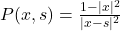 .
.  and
and  , then
 ![\[\mu_{x_i}\to \delta_x \qquad \text{weakly}\]](https://www.mathblog.realhjelp.no/wp-content/ql-cache/quicklatex.com-713a9dc80e5d67b2879242ea6a6b27a4_l3.png "Rendered by QuickLaTeX.com")
One Reply to “The rigid world of symmetric spaces of noncompact type”